
What kind of baby sleeping bag are you looking for?


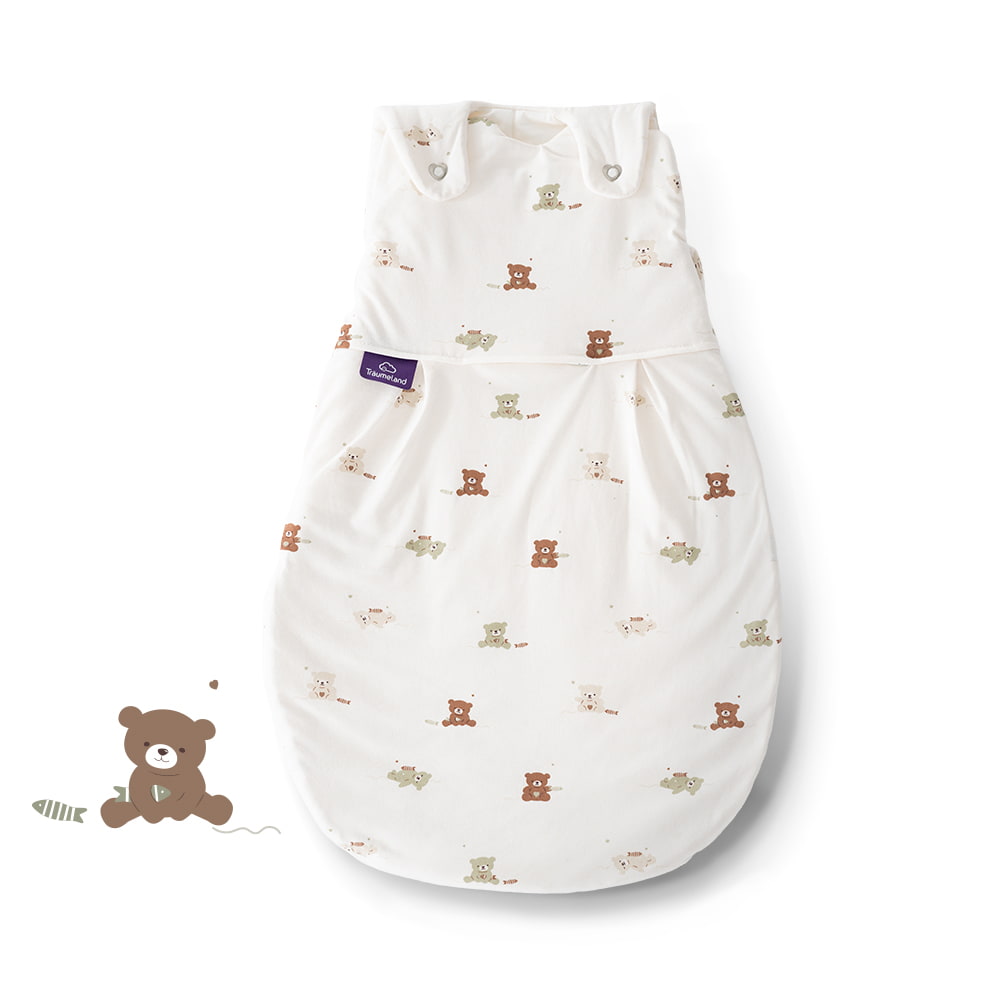
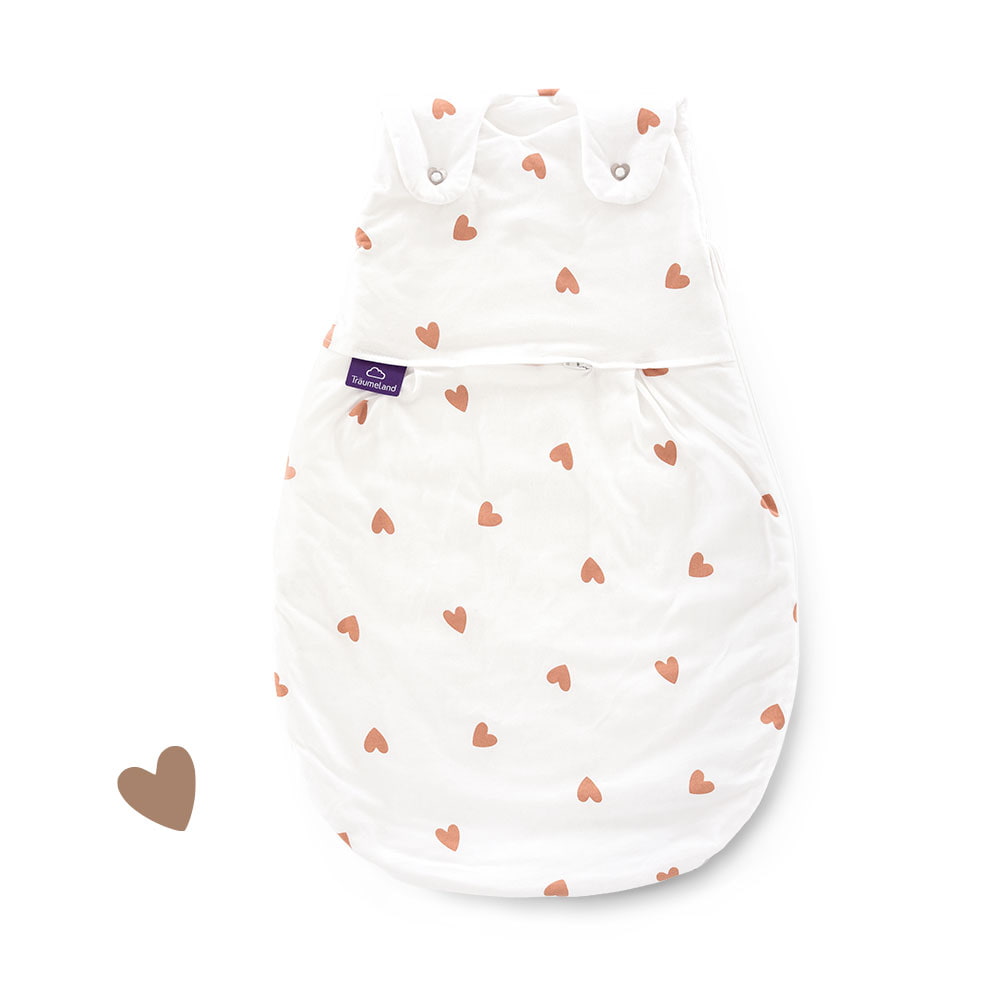
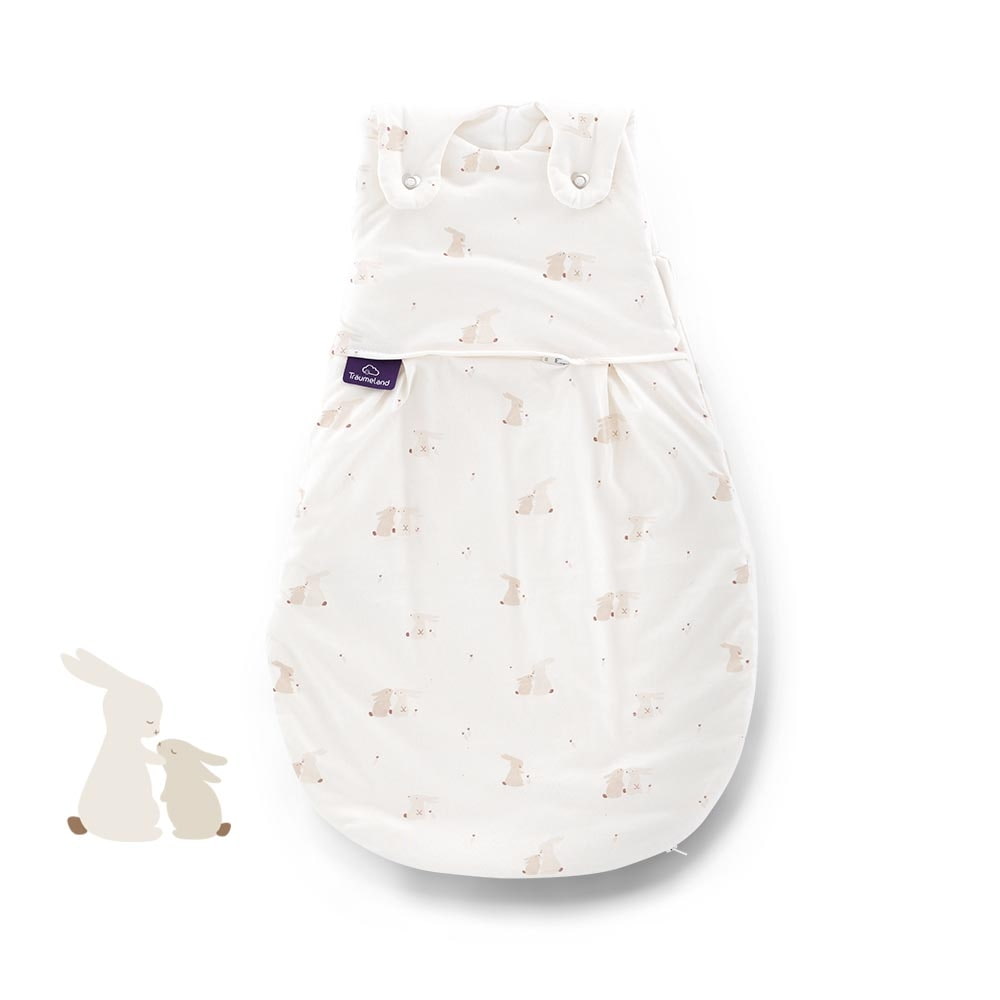
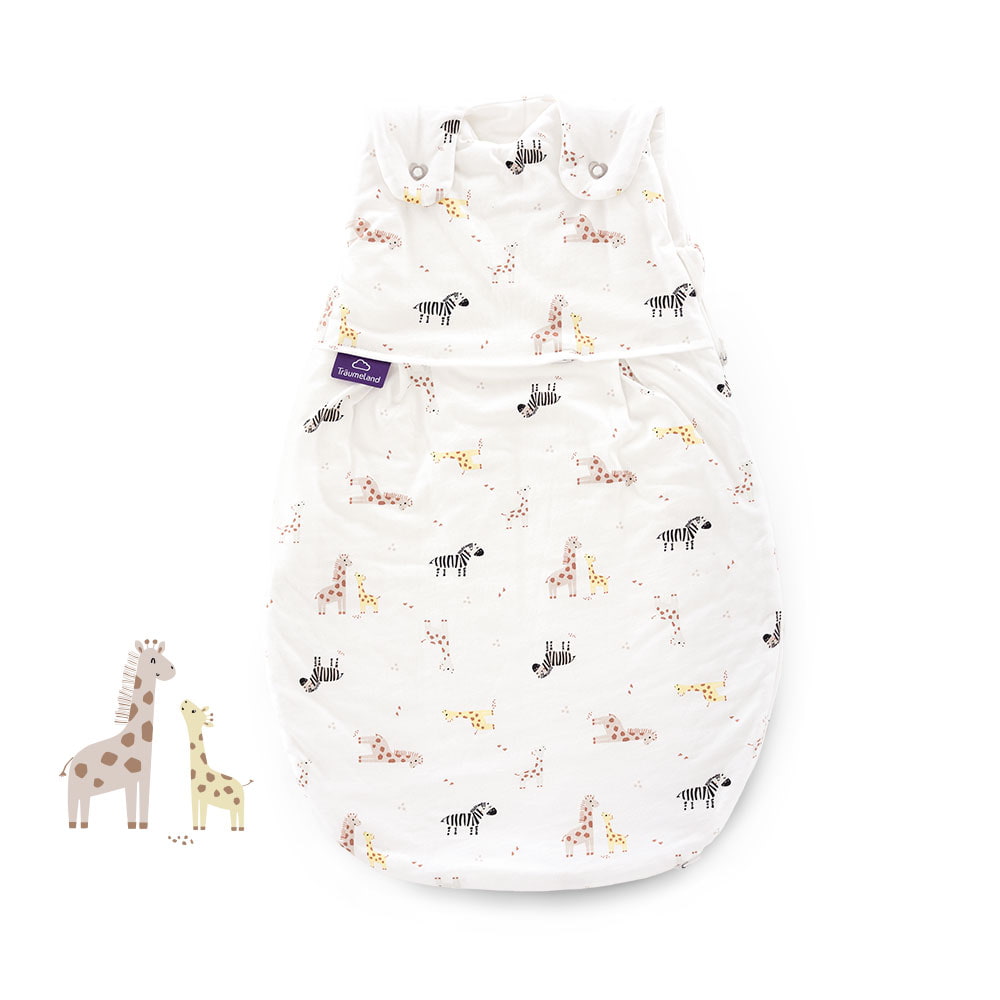
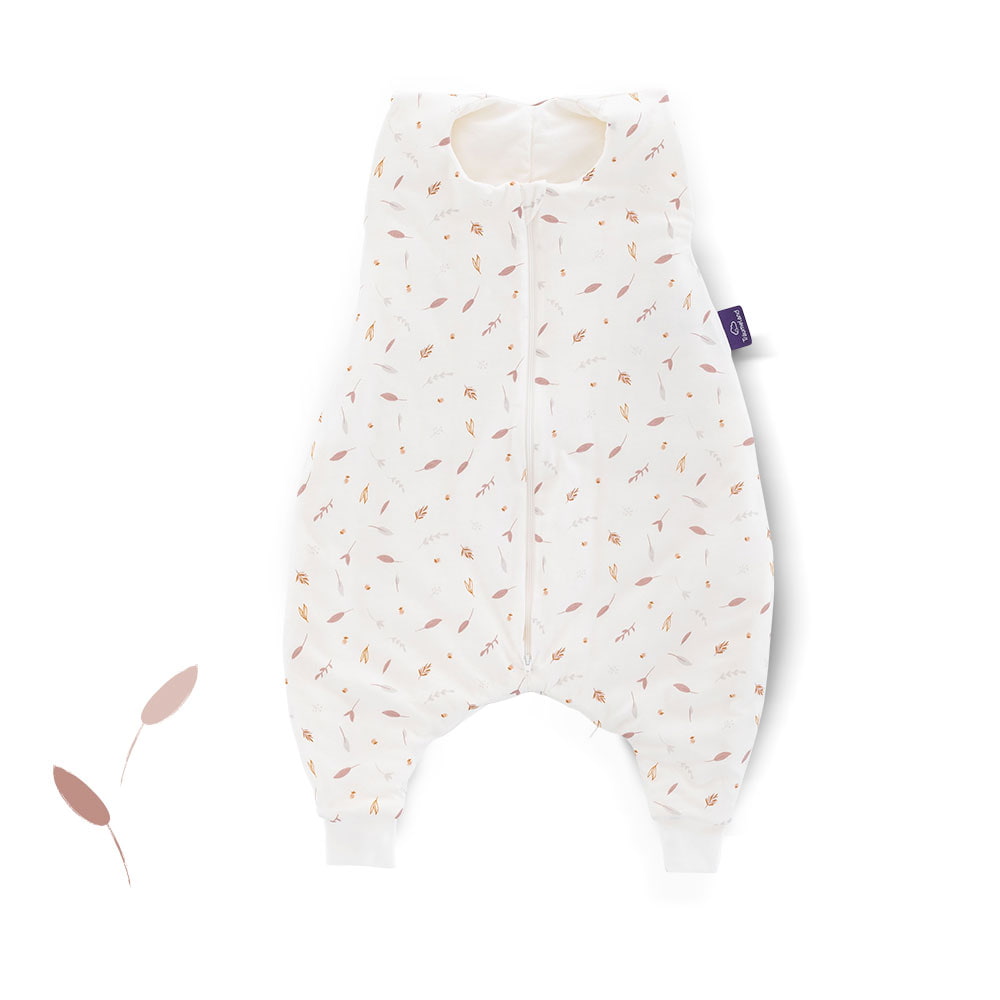
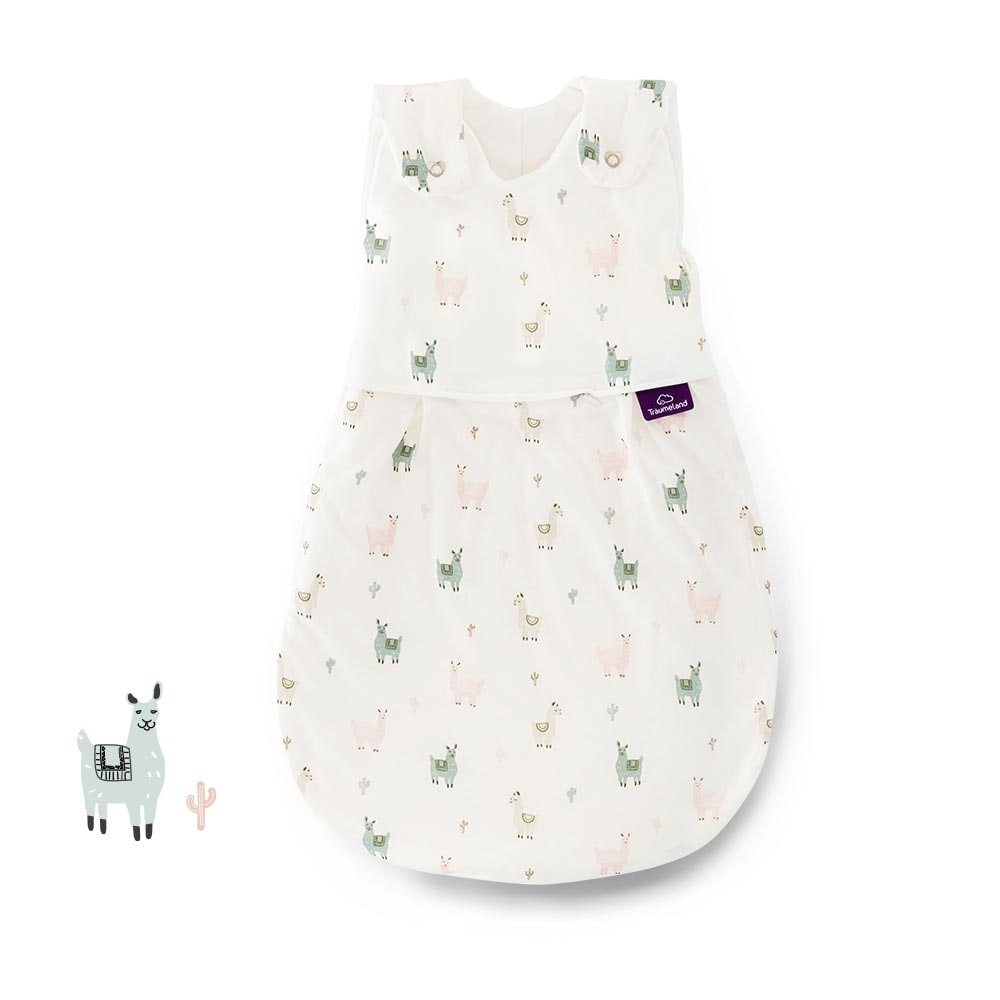
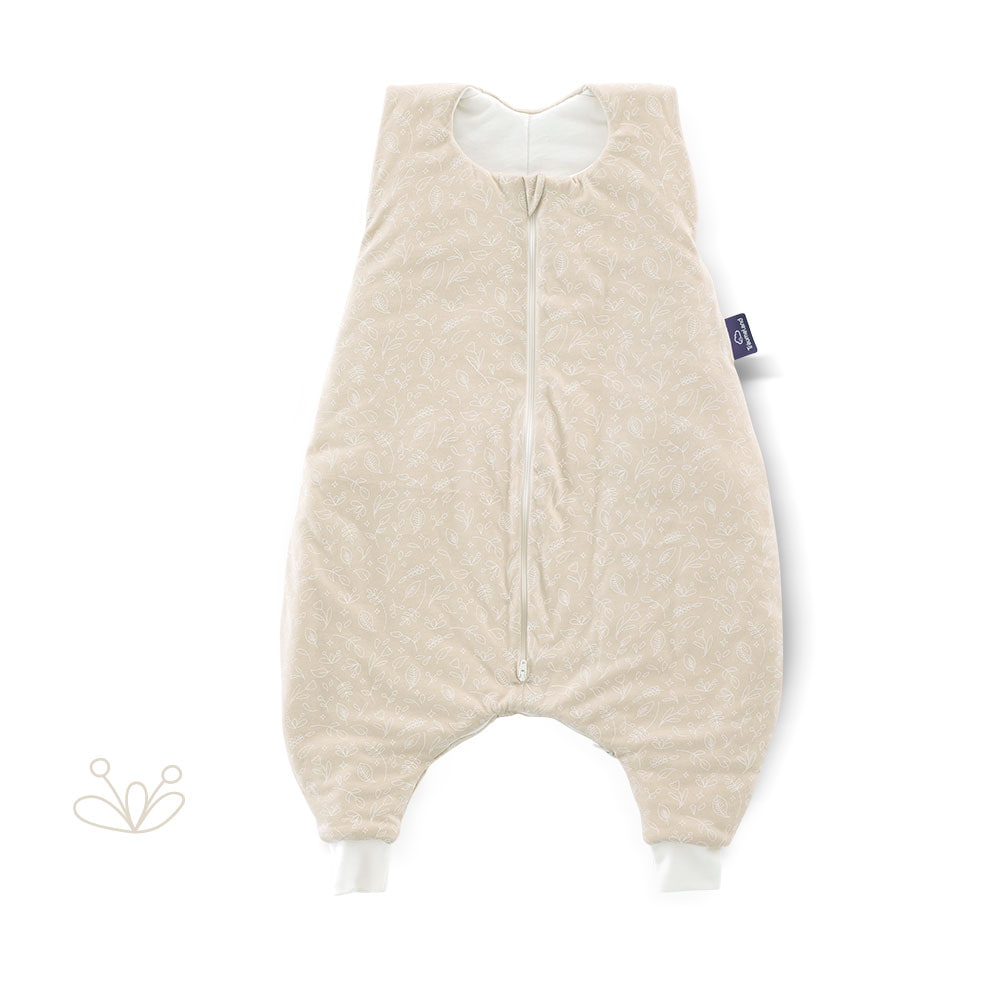
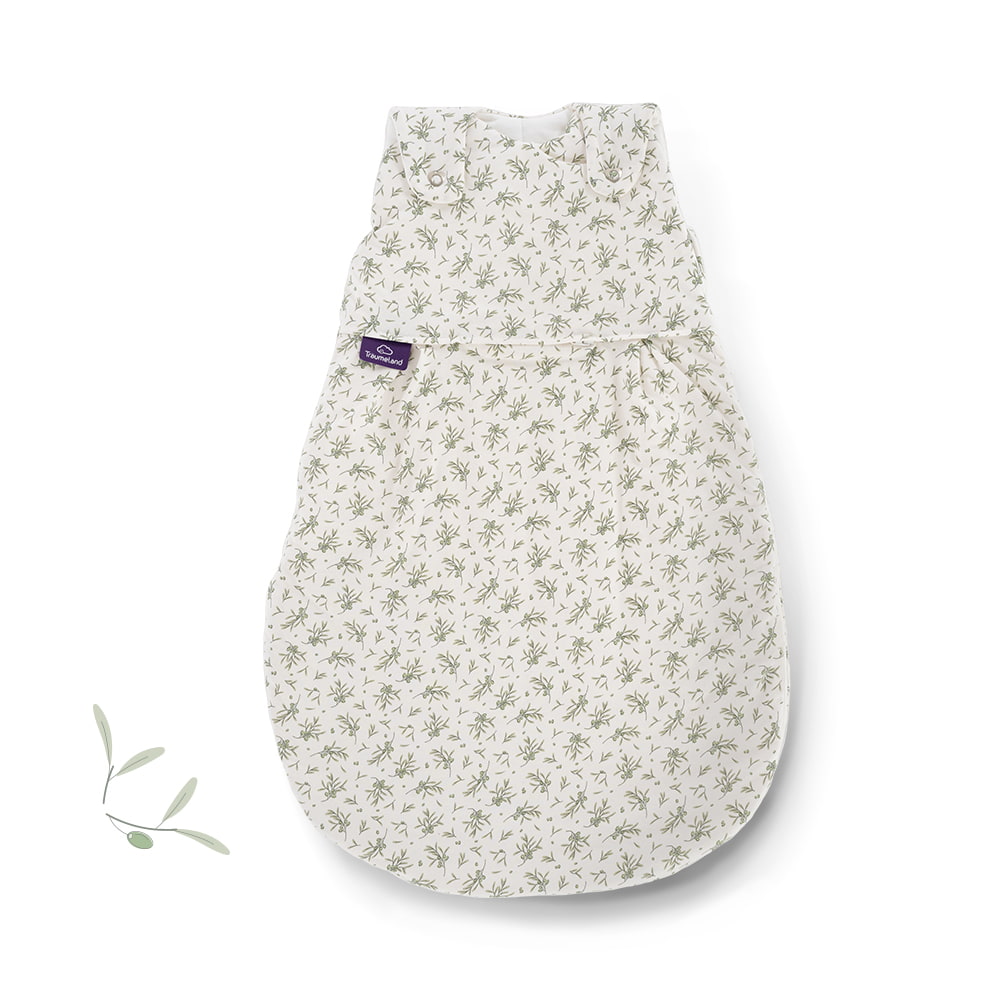
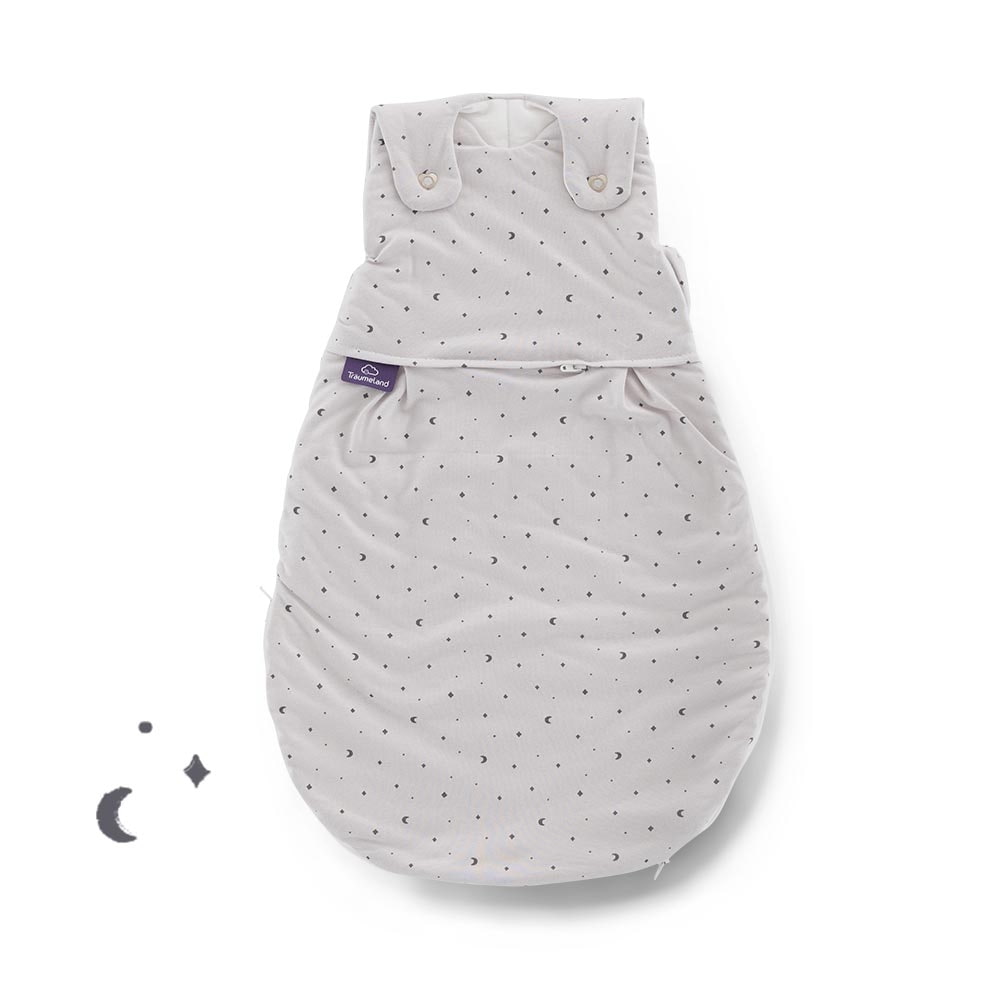
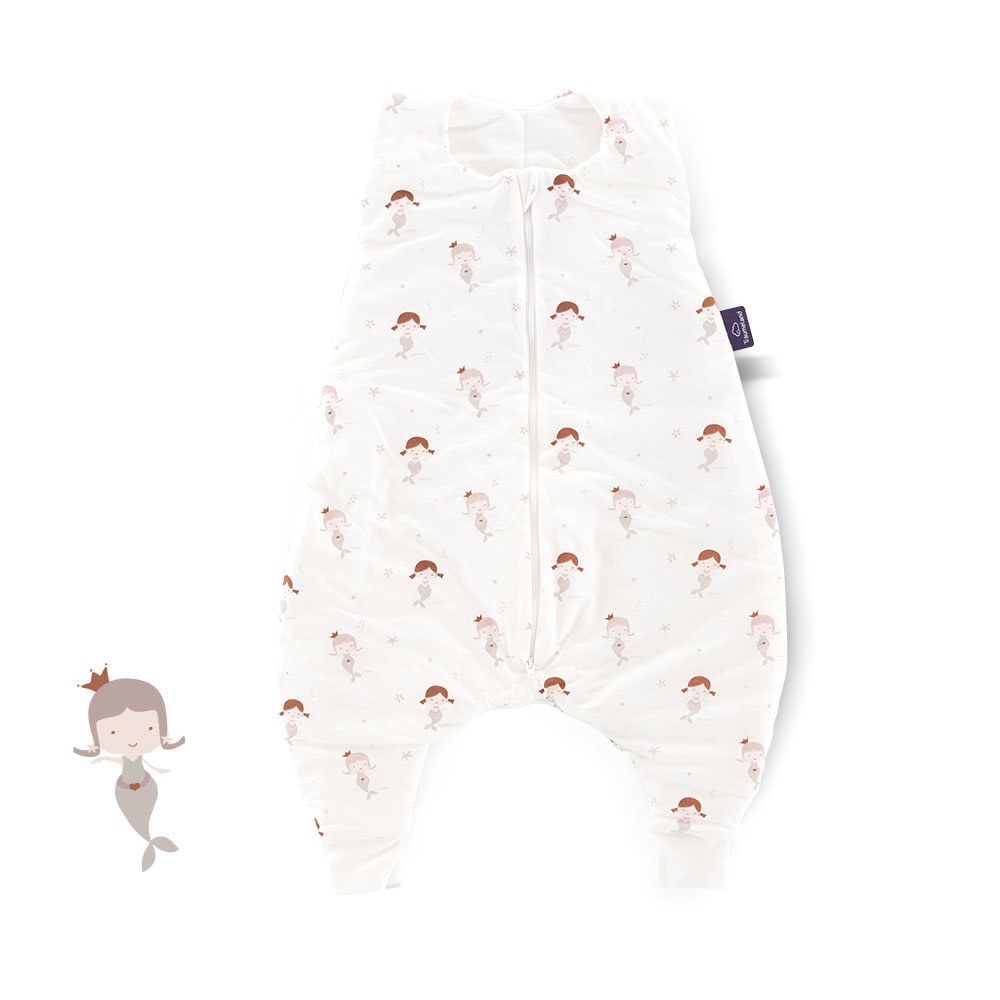
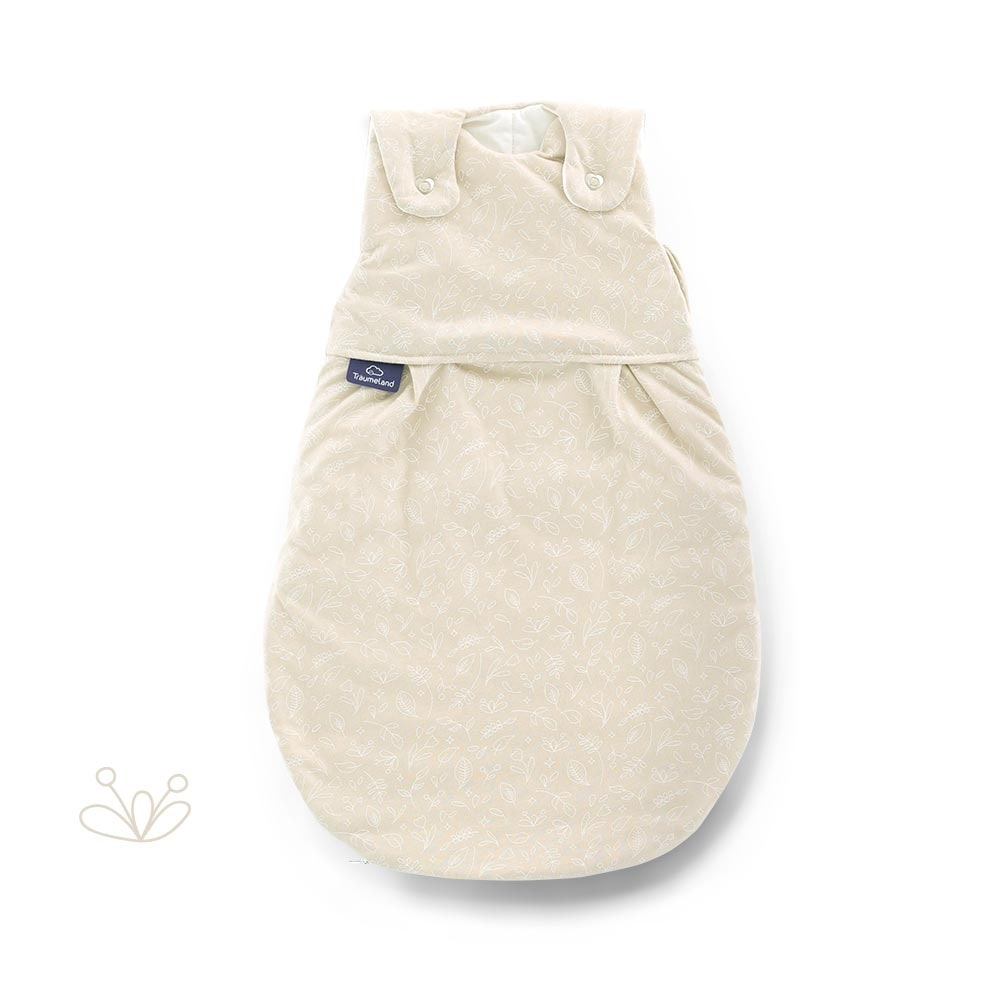
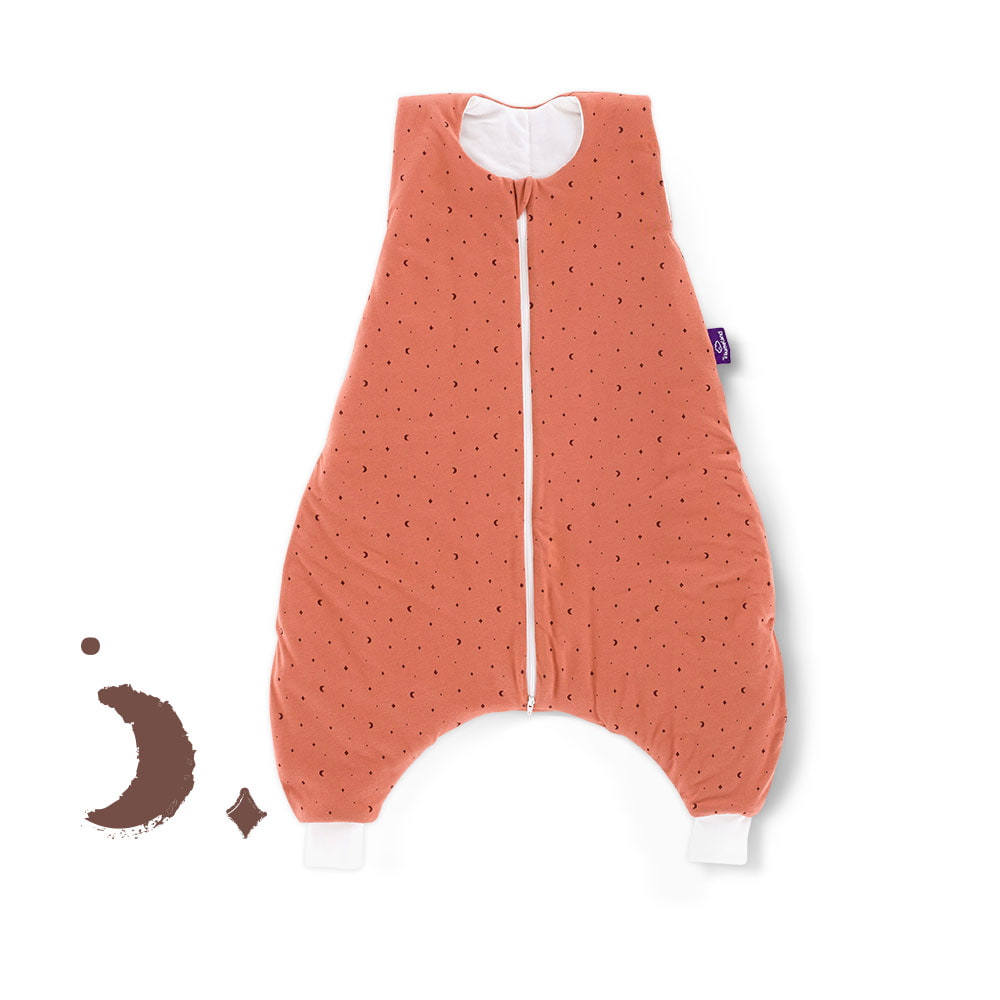
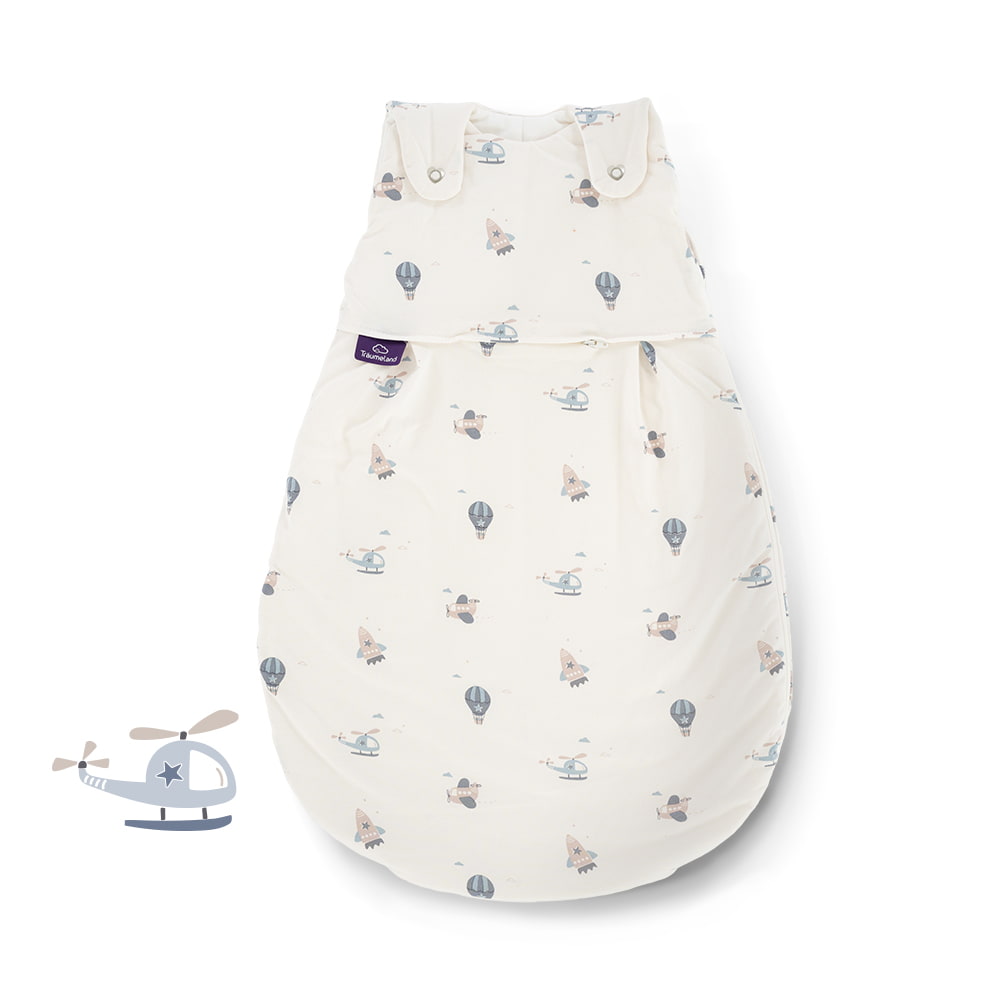

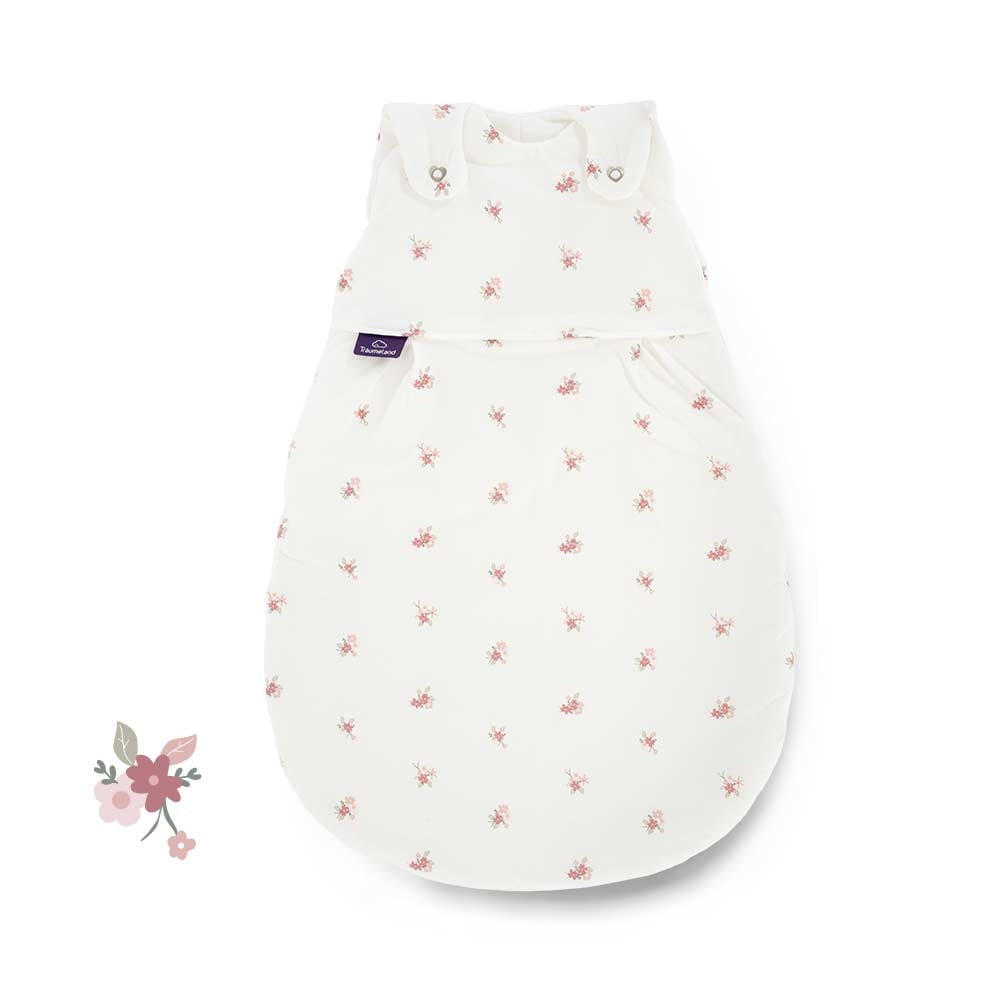
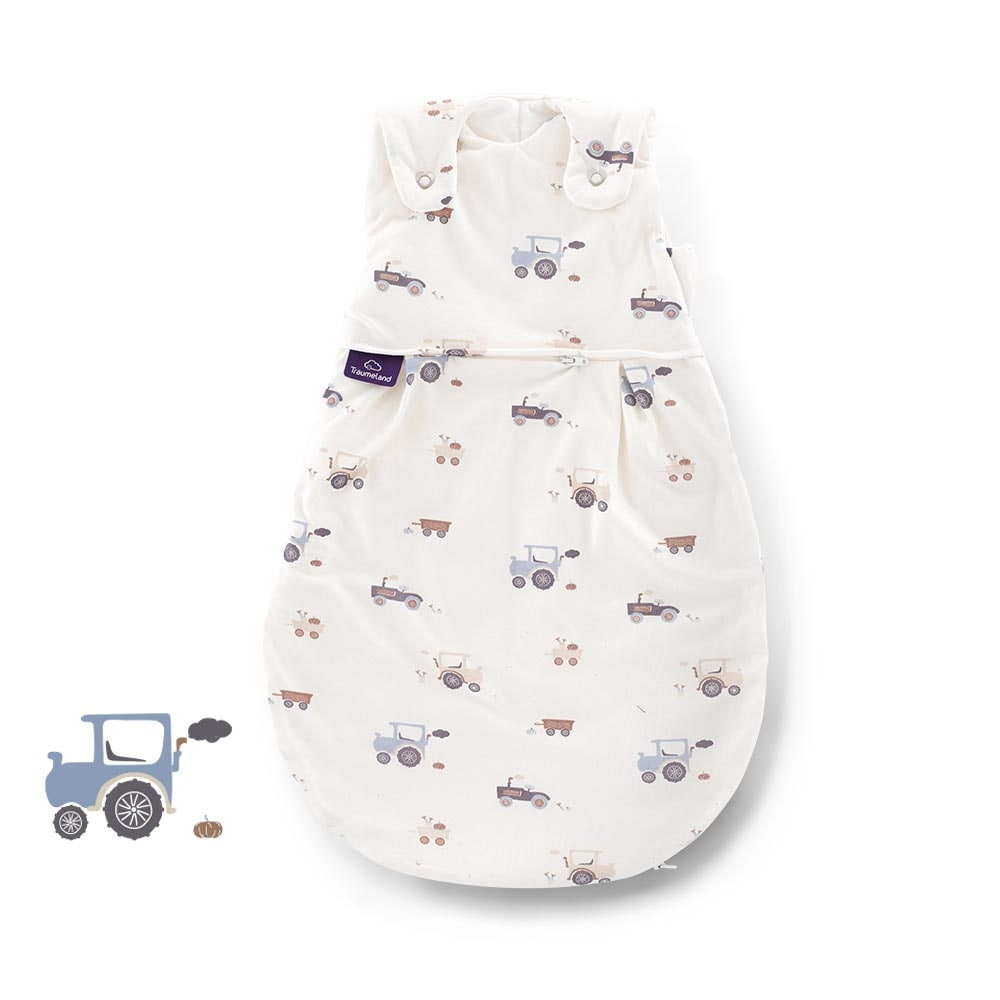
Sleep soundly – in a breathable Träumeland baby sleeping-bag
A good baby sleeping bag replaces a duvet and ensures your child sleeps safely. Our breathable Träumeland sleeping-bags are made with love and offer your baby exactly what they need from the very first night: a completely safe and cosy sleeping environment. Thanks to air-permeable materials and a well-designed cut, your child can breathe freely, overheating is prevented, and you can rest assured that your baby won’t get tangled up or kick their way out.
Which baby sleeping-bags are best for summer, winter or all year round?
What TOG rating is ideal?
Babies have very different needs depending on the season, which is why we offer baby sleeping-bags in three TOG ratings. Our breathable sleeping-bags are made from high-quality, certified materials and feature child-safe zips, so you can nappy your baby quickly at night without taking them out of the sleeping-bag.
0.5 TOG sleeping-bag: Ideal for summer nights (from approx. 24 °C), the summer sleeping-bag for babies is perfect here
1.5 TOG sleeping-bag: Ideal for the transition period (20–24 °C) – the Signature baby sleeping-bag with 1.5 TOG
2.5 TOG sleeping-bag: For cooler nights (16–22°C), the Träumeland all-season/winter sleeping-bag for babies is the right choice
In the TOG table, you’ll find all the recommendations at a glance – making it easy to create the perfect sleeping environment for both summer and winter.
What should a baby wear under a baby sleeping bag?
The clothing worn under the sleeping-bag depends on the room temperature and the TOG rating:
-
At ≥ 24 °C: A simple short-sleeved bodysuit is usually enough.
-
At 20–24 °C: Thin sleep-overall or a long-sleeved bodysuit + light sleep-overall.
-
At 16–20 °C: Sleep-overall + a second layer if necessary (e.g. a thin romper).
-
At < 16 °C: Warm sleep-overalls or, if necessary, woollen underwear, but no duvet over the sleeping-bag!
What size baby sleeping bag?
To ensure your baby sleeps safely and comfortably, choosing the right size sleeping-bag is crucial. Our Träumeland sleeping-bags are available in many sizes – from 44, 50/56, 56/62, 62/68, 68/74, 80/86, 92/98 right up to 104 and 110. This means you can find the right sleeping-bag for every age and stage of development.
Calculating the right size for a baby sleeping-bag – our tip:
Subtract your child’s head length from their body length and add about ten centimetres. The sleeping-bag should be this length to prevent your baby from slipping out, whilst still leaving enough room to kick their legs. Thanks to adjustable, grow-with-me straps, you can also customise the length to suit your child’s growth and use the sleeping-bag for longer.
With the right size, you’ll lay the foundation for safe, comfortable and free movement – whether your baby has only just been born or is already actively moving around in their cot.
Further tips:
-
The neckline should be sized so that a finger fits between the neck and the fabric – not too tight, not too loose.
-
Armholes should allow freedom of movement, but not be so wide that the garment slips out of place.
Safety & practicality for everyday use thanks to well-thought-out details
All our sleeping-bags are made from tested, skin-friendly fabrics and are designed so that your child can sleep freely and safely. Safe zips, ergonomic cuts and durable materials make the sleeping-bag a reliable everyday companion. You can machine-wash our sleeping-bags, which makes Träumeland sleeping-bags particularly easy to care for – for parents who value hygiene and ease of use.
Why a sleeping-bag is a good idea for babies
A baby sleeping-bag is one of the most important ways to ensure a safe and healthy sleeping environment. Loose duvets carry the risk of slipping and covering the baby’s face, which is a serious hazard, particularly for newborns.
From what age can a baby wear a sleeping-bag?
A baby can wear a sleeping-bag from birth, provided it fits well and doesn’t leave any unnecessary gaps. It’s important that you don’t use any additional duvets, but rely solely on the sleeping-bag. Many parents wonder up to what age a sleeping-bag can be used: As long as your baby is still sleeping in a safe sleeping environment and the sleeping-bag is the right length, often right up to toddler age. Once your child starts to sit up or climb out of bed on their own, it is advisable to switch from a classic baby sleeping-bag to one with feet.
Breathable baby sleeping-bags with adjustable ventilation
Optimal temperature regulation thanks to ventilation slits. Simply open the ventilation slits to lower the temperature inside the sleeping-bag by 3°C in just 5 minutes. For optimal air circulation without heat build-up.

Sleeping-bags for babies, tested
for harmful substances
The quality and safety of our sleeping-bags are particularly important to us. All materials are free from harmful substances, gentle on a baby’s skin and have been proven to be suitable for use in a cot.
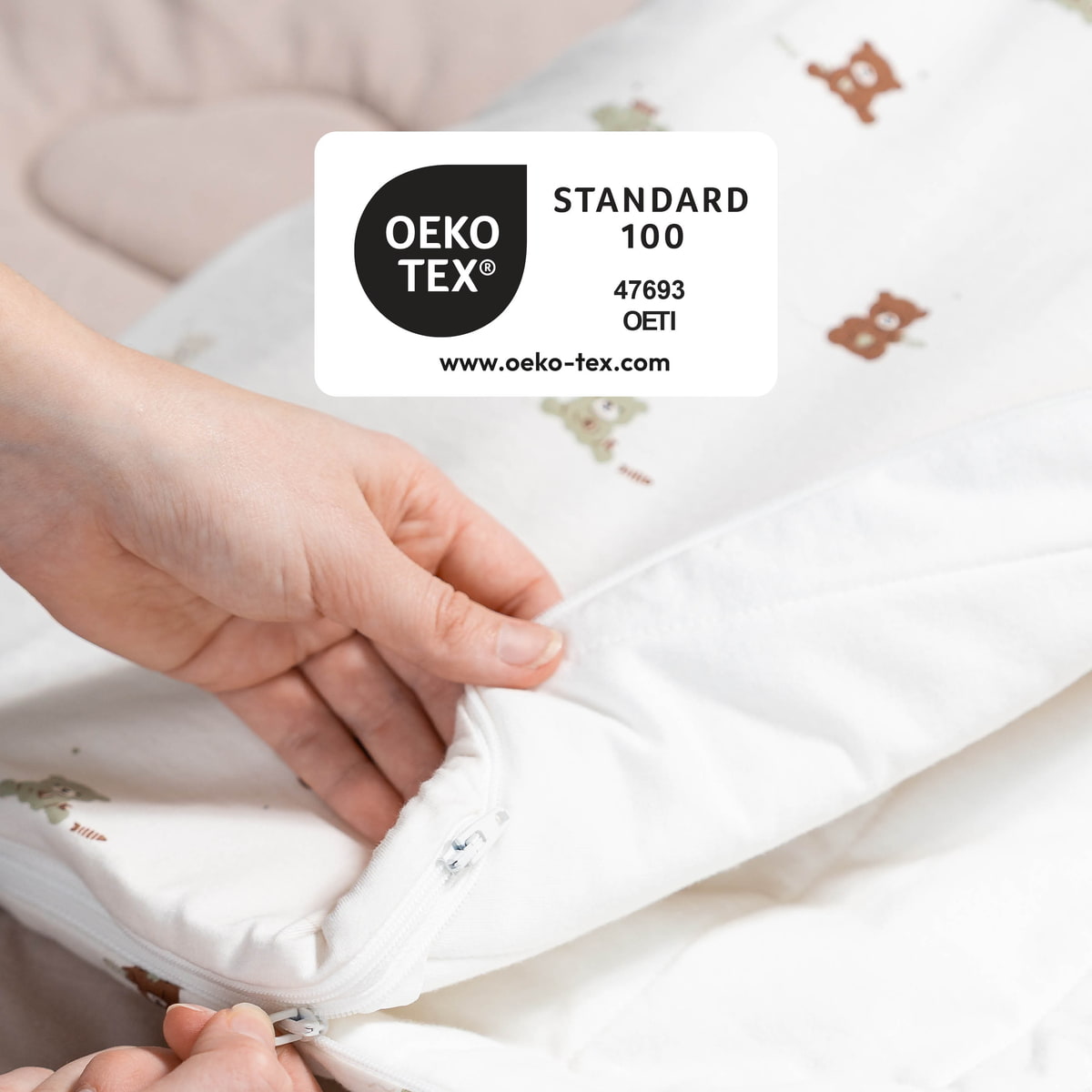

Handy safety zip
Our baby sleeping-bags are fitted with safety zips. This also makes it easier to change nappies at night without having to take your child completely out of the sleeping-bag.

Suitable TOG values for all seasons
ach season places different demands on a sleeping bag. That is why we offer sleeping bags in different TOG values.

Perfect fit – a safe alternative to duvets
Our sleeping-bags fit perfectly, allow for freedom of movement, and are a safe alternative to duvets, with no risk of slipping inside or suffocation.
Find the Right Sleeping Bag
Choosing the right sleeping-bag is crucial for your baby’s restful sleep. Find out which sleeping-bag is best for your baby!



Träumeland products are safe and harmless for your child.
Subscribe to our newsletter and get a €5 discount on your order!
Discover regular promotions, competitions and new products.
You can unsubscribe at any time