
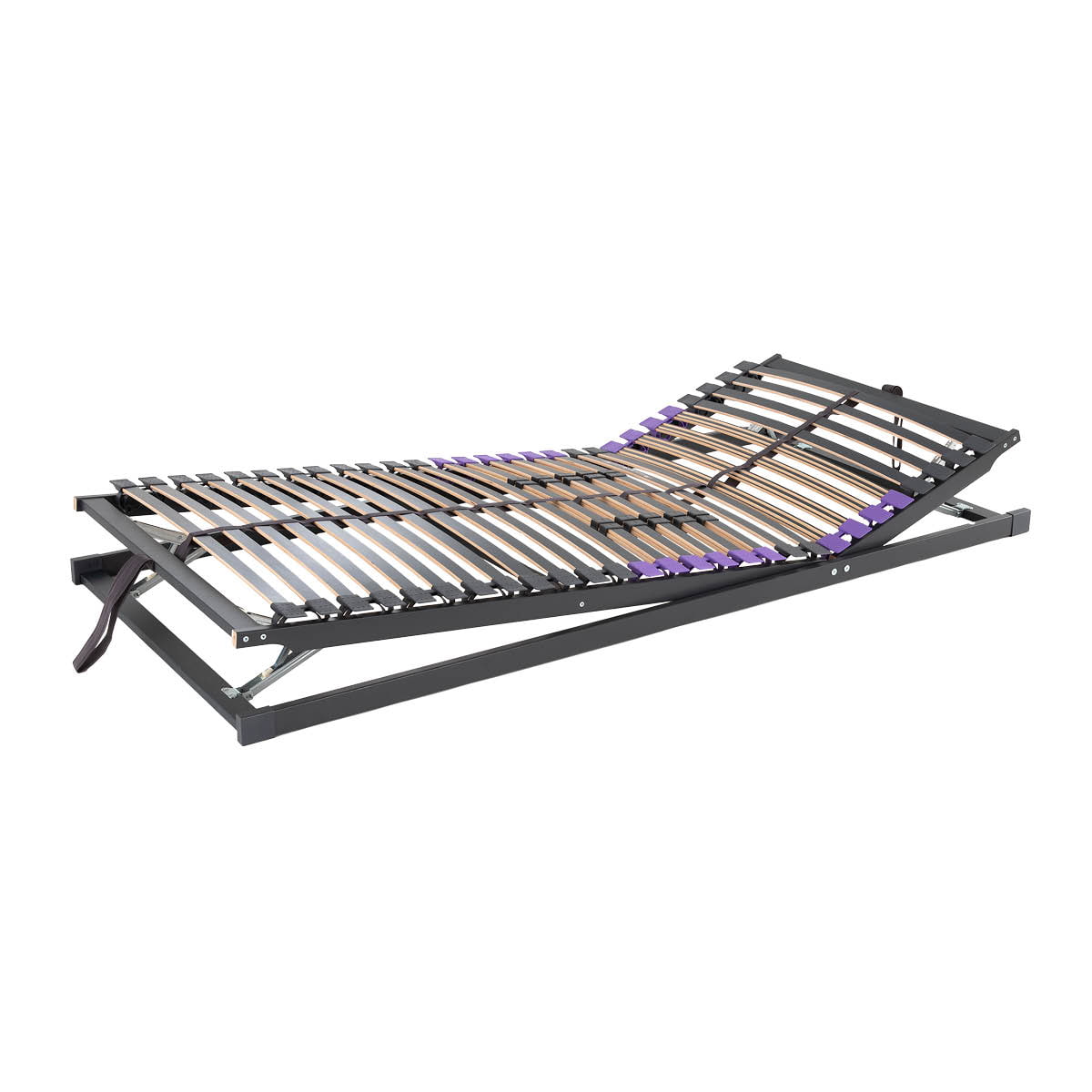
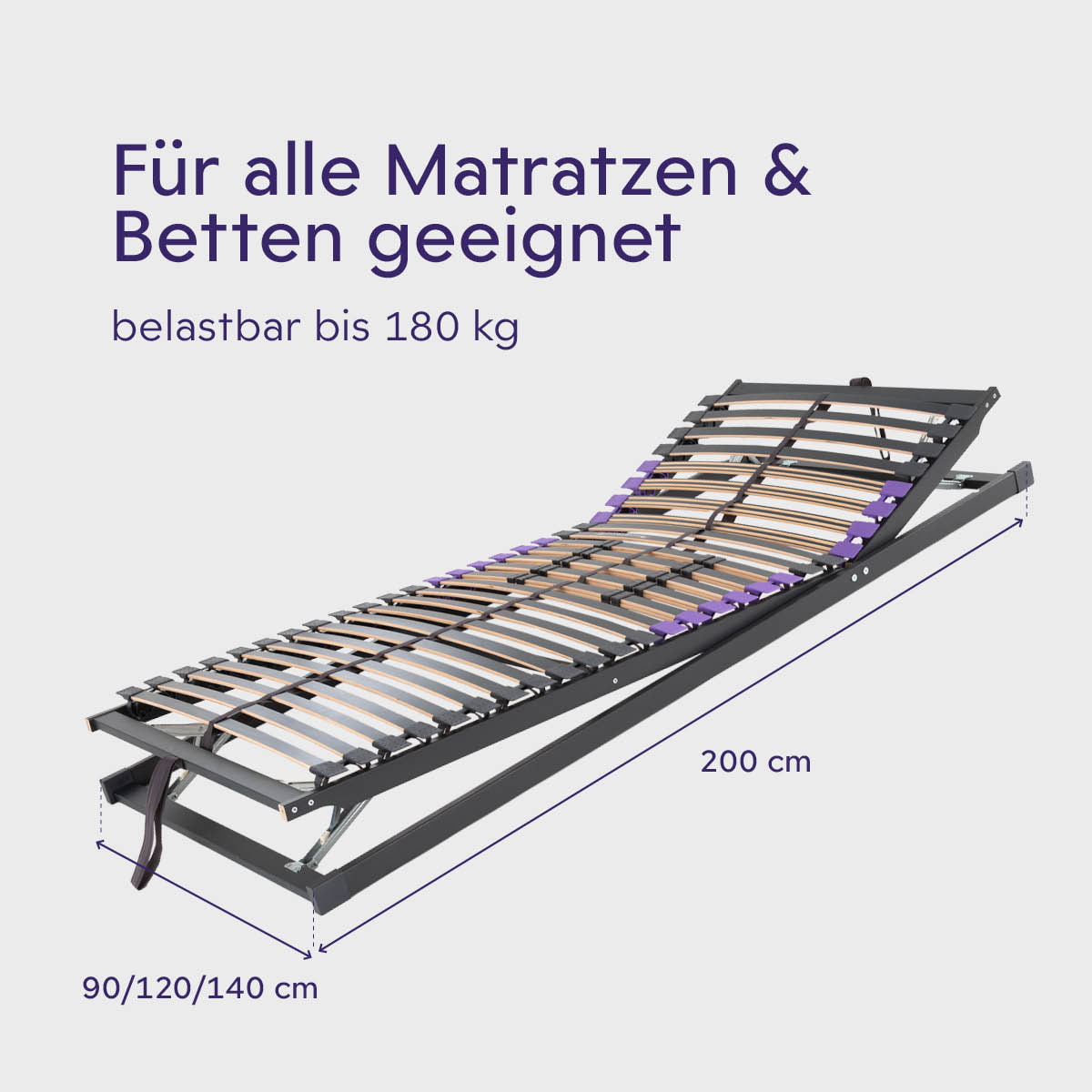


Top Flex slatted base

 Adjustable head and foot sections
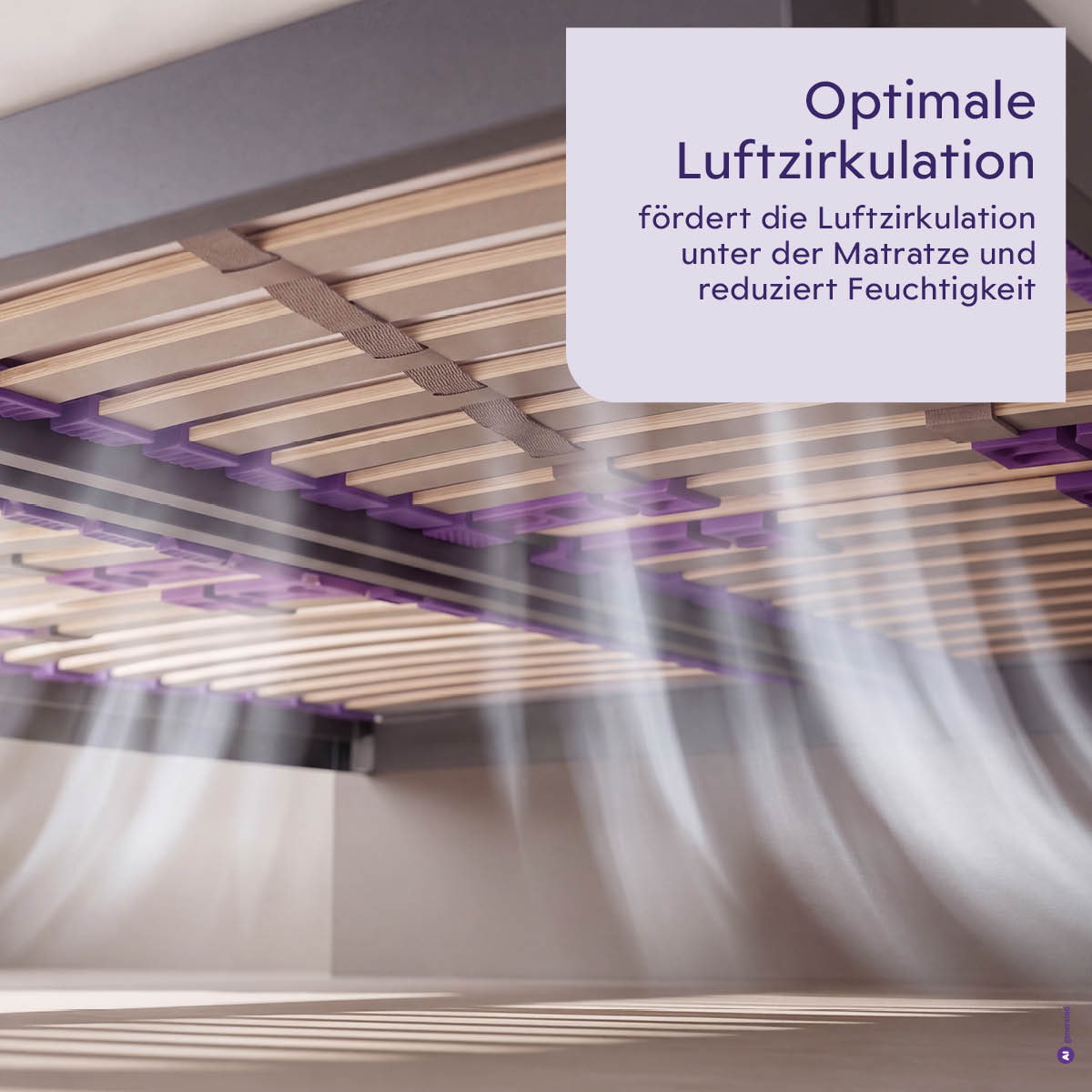
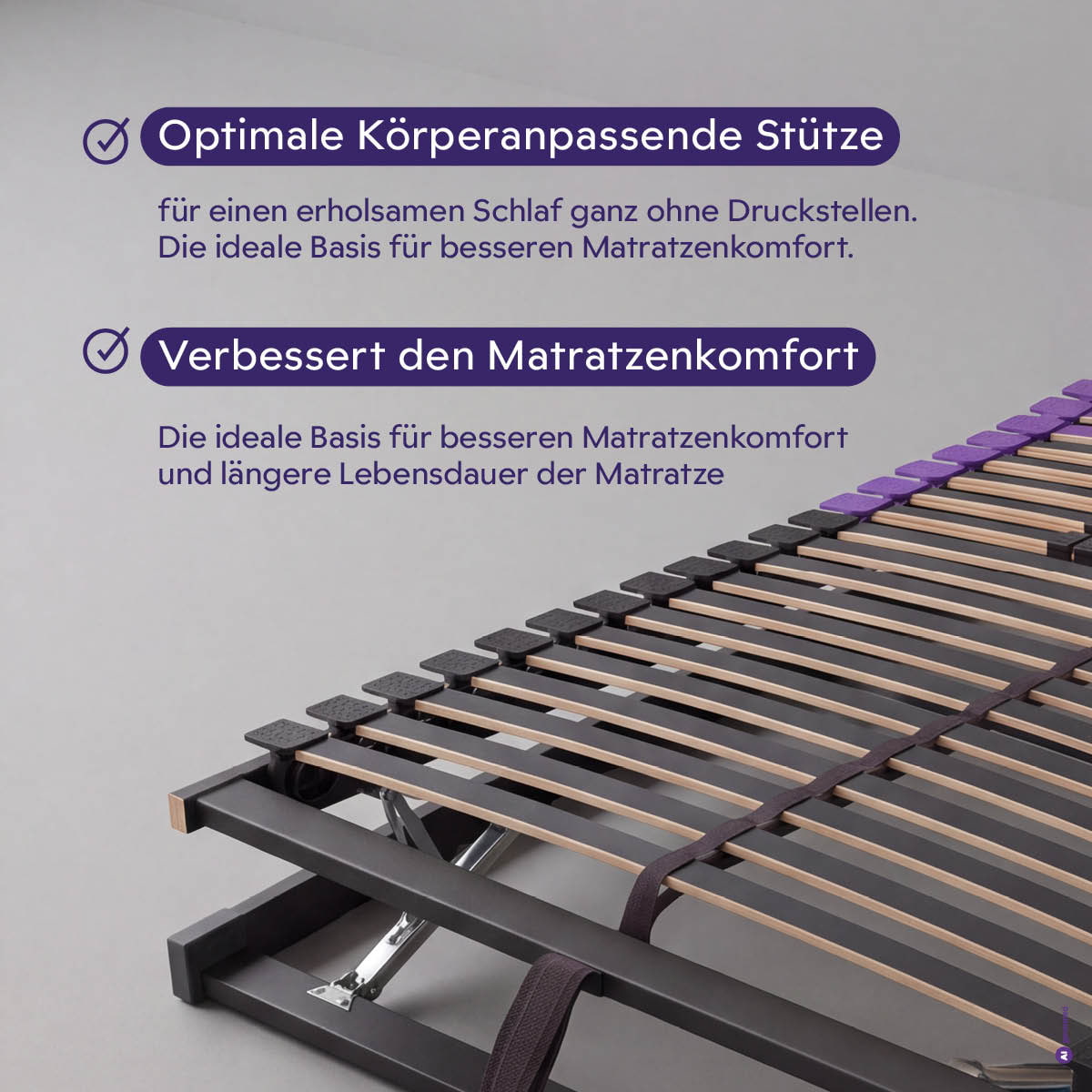
 Optimal air circulation
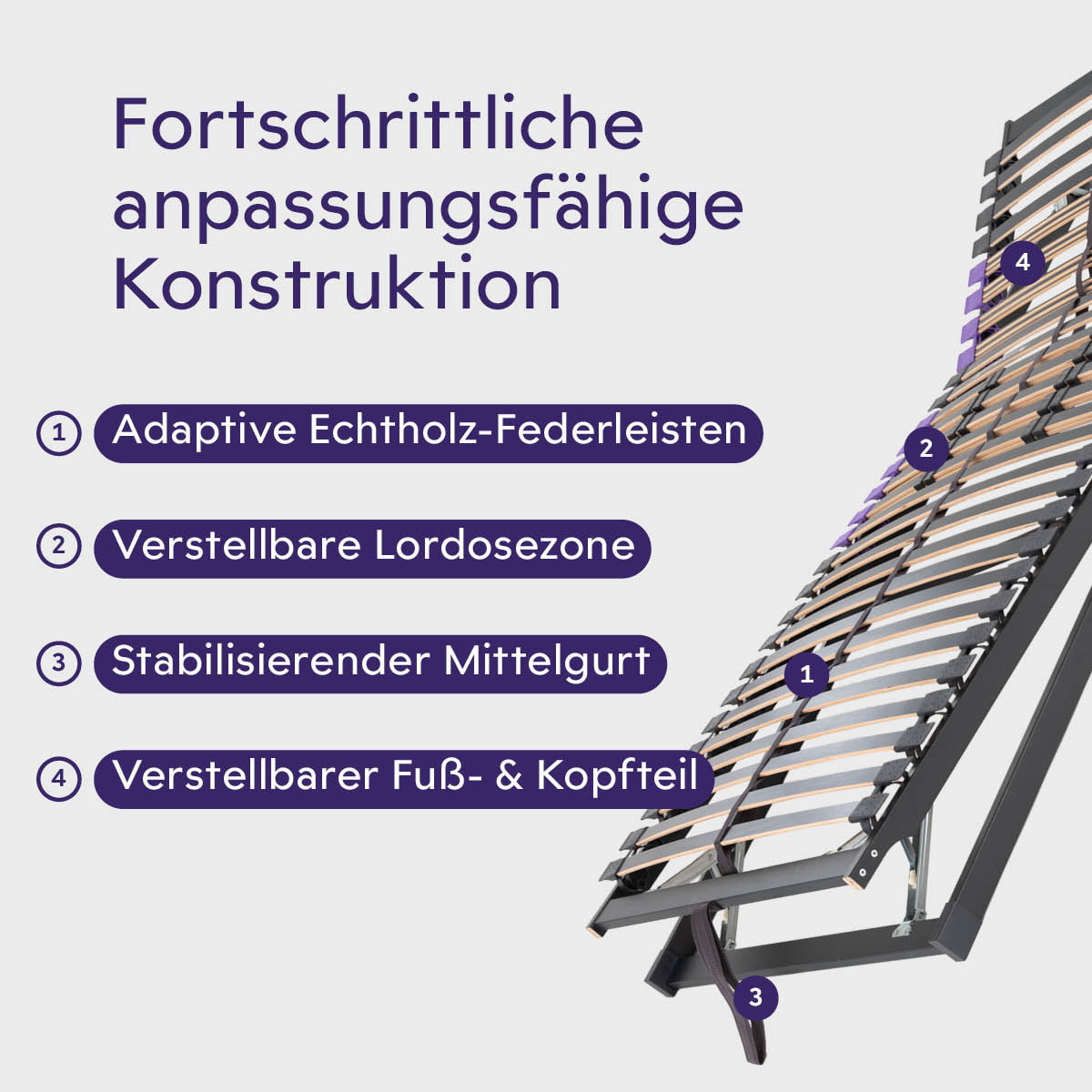
Material: Solid birch wood slats
Height: 8 cm
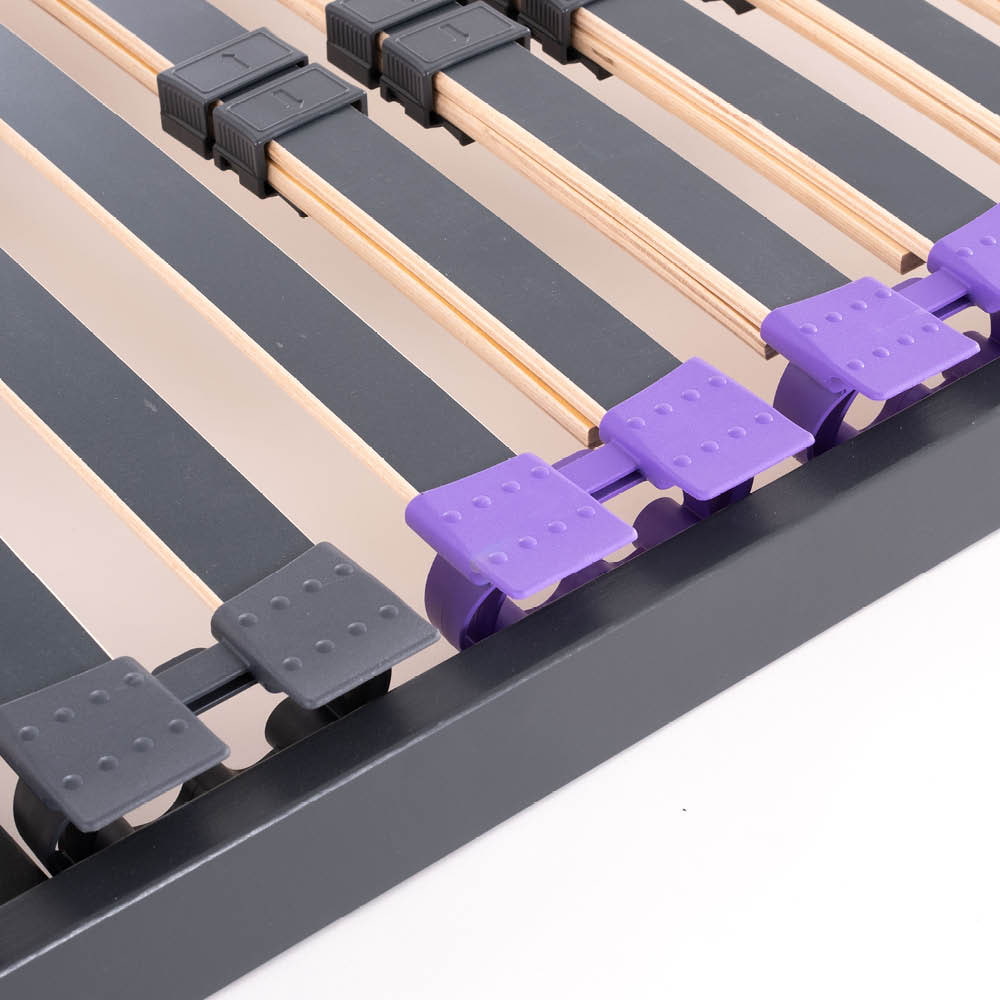
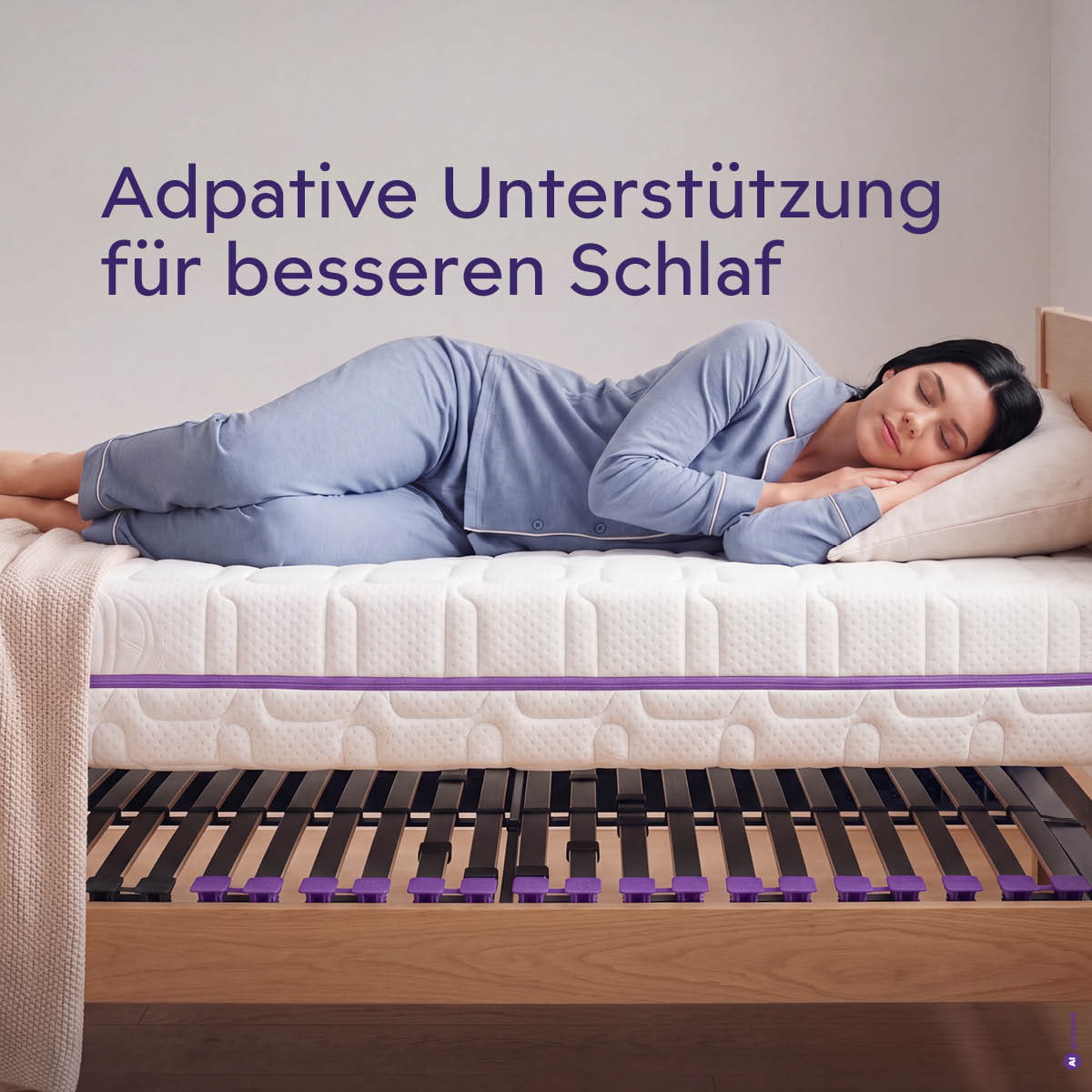
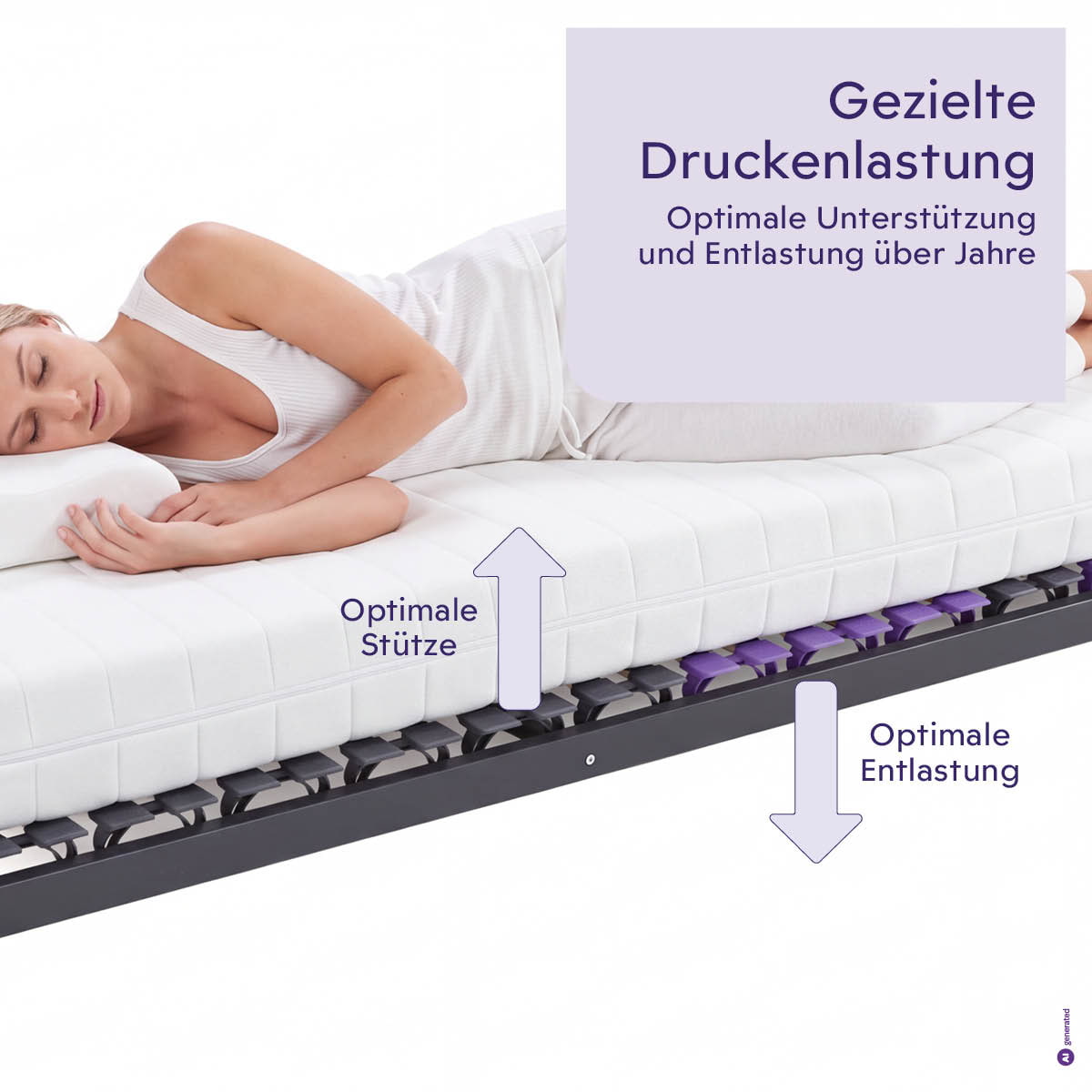
Natural flexibility for a restful night’s sleep
The high-quality solid wood slats respond flexibly to pressure and support a comfortable sleeping position. For a balanced combination of stability and lying-comfort.
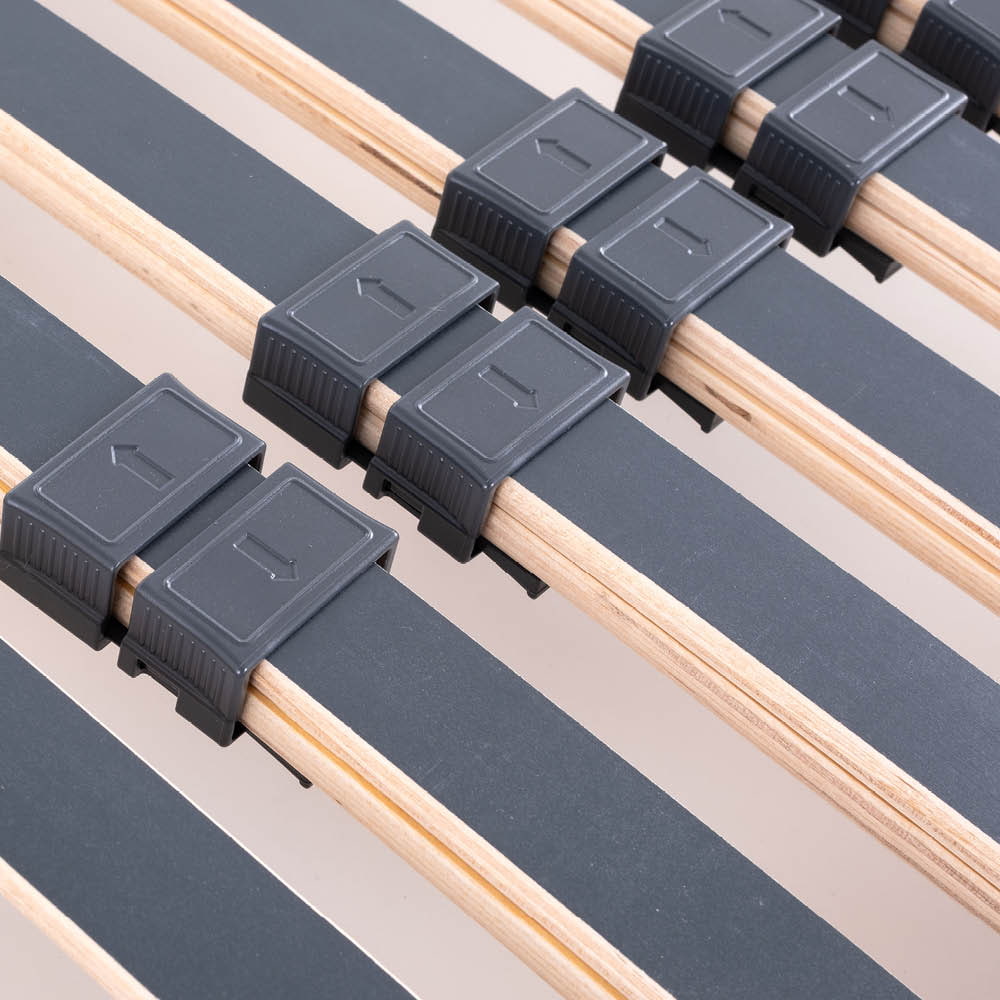
Adjustable lumbar support zone – personalised support
Thanks to the individually adjustable lumbar support zone, the firmness in the lumbar region can be tailored to your personal needs. For targeted support and a comfortable sleeping experience.
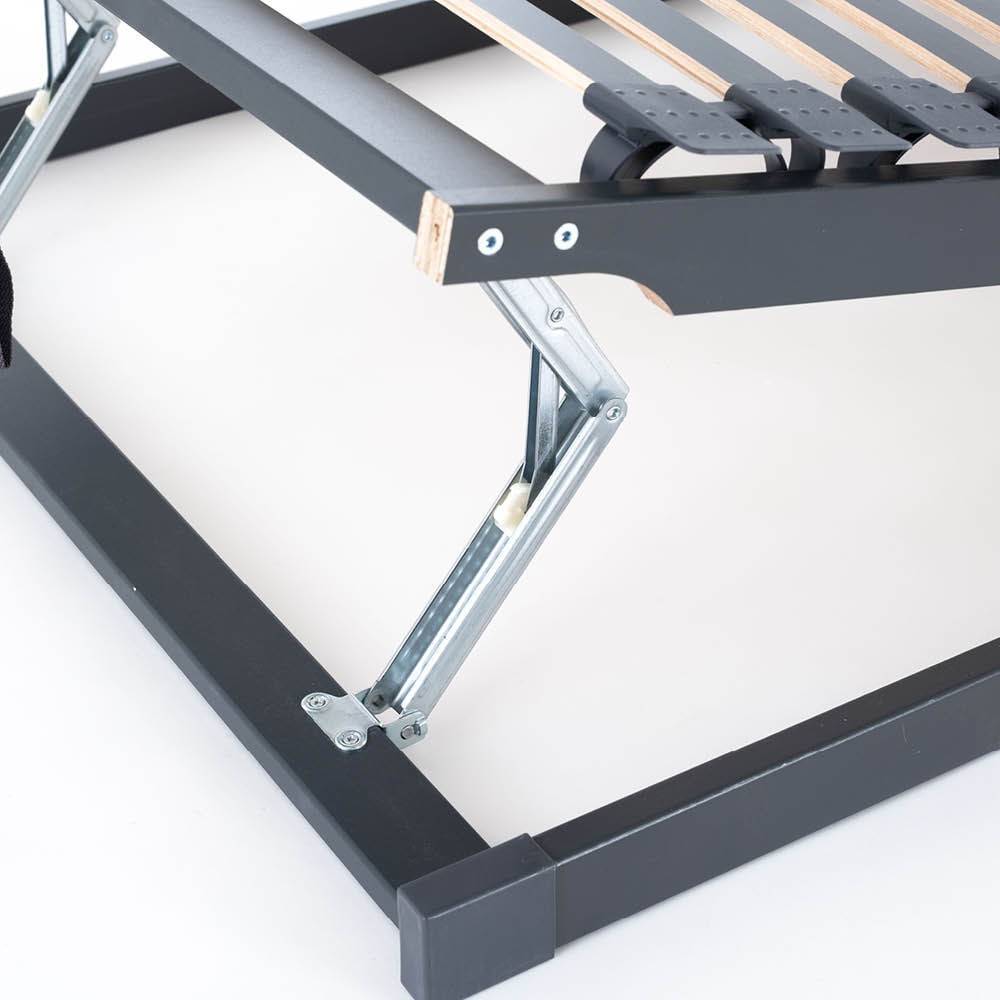
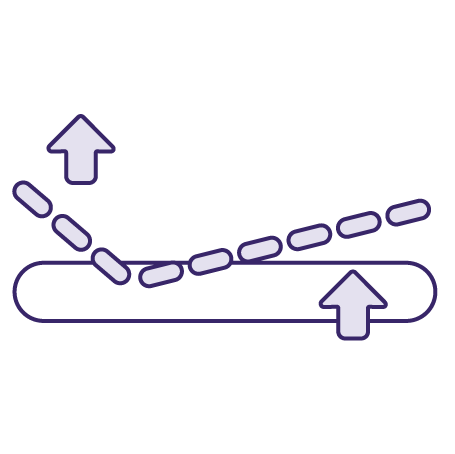
Adjustable head and foot sections
Whether for reading, relaxing or putting your feet up – the head and foot sections can be adjusted to suit your needs. The open design also ensures optimum air circulation beneath the mattress.

OEKO-TEX® certified

Made in Austria
Frequently Asked Questions & Answers
Memory foam, cold foam or latex mattresses require a very flexible yet sturdy slatted base or disc-slatted base with plenty of slats or discs.
Mattresses are usually firmer, so a simple, sturdier slatted base is sufficient here. A spring mechanism is not necessary in this case, as the springs are already incorporated into the mattress.
You should replace a slatted bed base approximately every 15 to 20 years. Simpler or cheaper models may need replacing as early as 7 to 10 years. Replacement is necessary if:
- The slats are already sagging or broken. This means that your hips and shoulders are no longer optimally supported.
- The slats lose their resilience and springiness
- The slatted base is making noises (creaking or an unpleasant squeaking sound)
- You experience physical discomfort, such as back problems
It really depends on the individual. If you like reading the paper or having breakfast in bed, this feature is very useful and is often used. The feature is particularly helpful when you’re unwell. The foot-elevation function is equally helpful for older people, as it relieves pressure on the veins and promotes blood and lymphatic return.
For bedridden people, an electric slatted base is also ideal. This can be easily adjusted to the desired position at the touch of a button.
The central strap on a slatted base can be used to adjust the distribution of weight across the slats. However, this can also affect the localised elasticity in the shoulder or pelvic areas.
If the mattress is too firm in the shoulder area, removing every second slat in that area – provided the mattress is sufficiently flexible and adaptable – may improve comfort.


Träumeland products are safe and harmless for your child.
Subscribe to our newsletter and get a €5 discount on your order!
Discover regular promotions, competitions and new products.
You can unsubscribe at any time
Become a Träumeland partner now
Expand your product range with high-quality mattresses. We’ll show you our full range.