
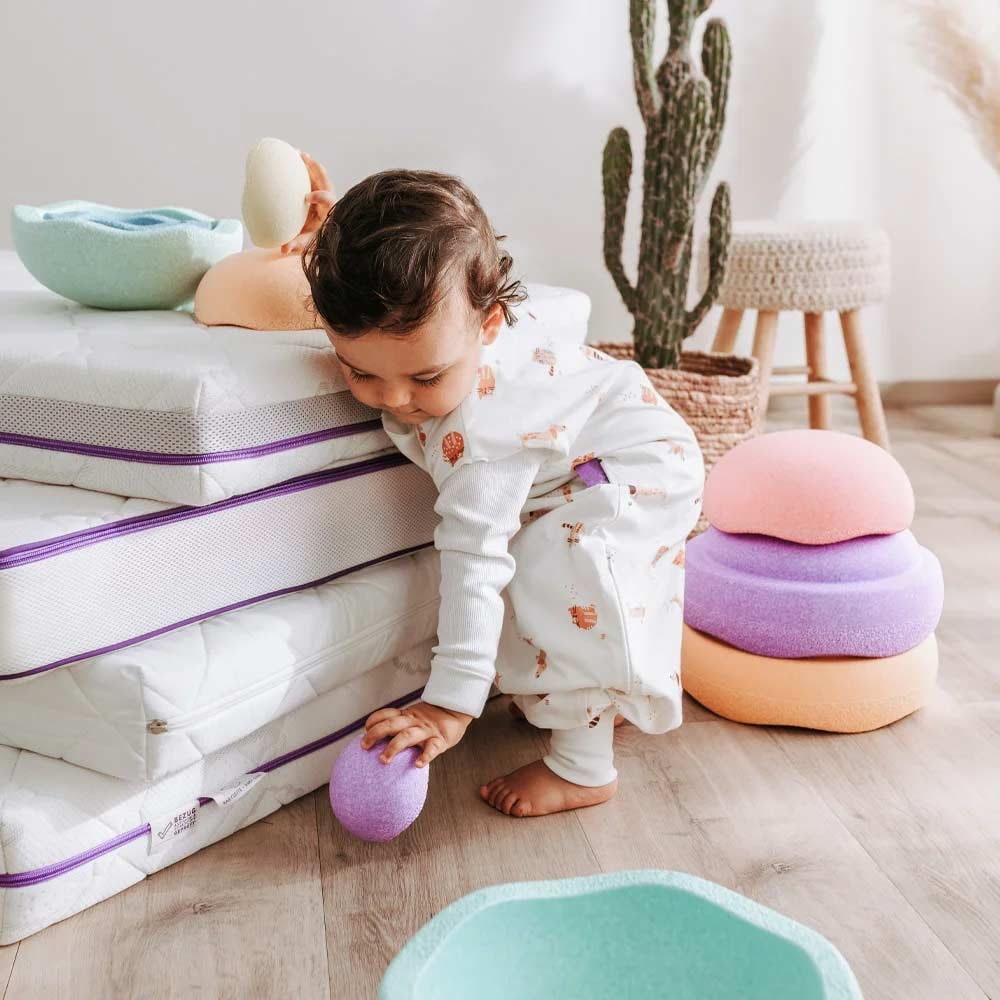
Sleeping-bags with Feet
Sleeping-bags with feet offer active babies and toddlers maximum freedom of movement and safety while they sleep.
This footed sleeping-bag is ideal for giving your active child the freedom and warmth they need. It allows your baby to move around freely at night and start walking right away when they wake up. Made from 100% cotton. Highly breathable, thanks to an integrated ventilation slit. Perfect for small explorers!


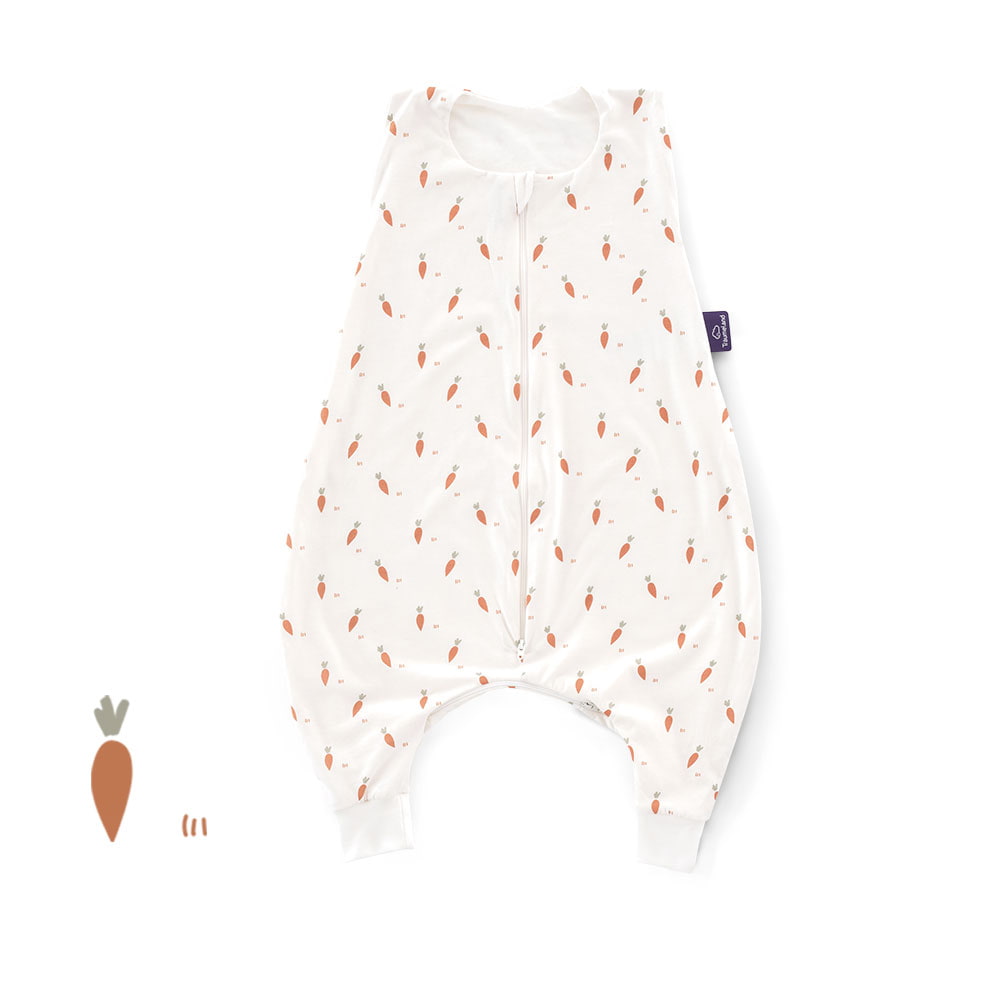
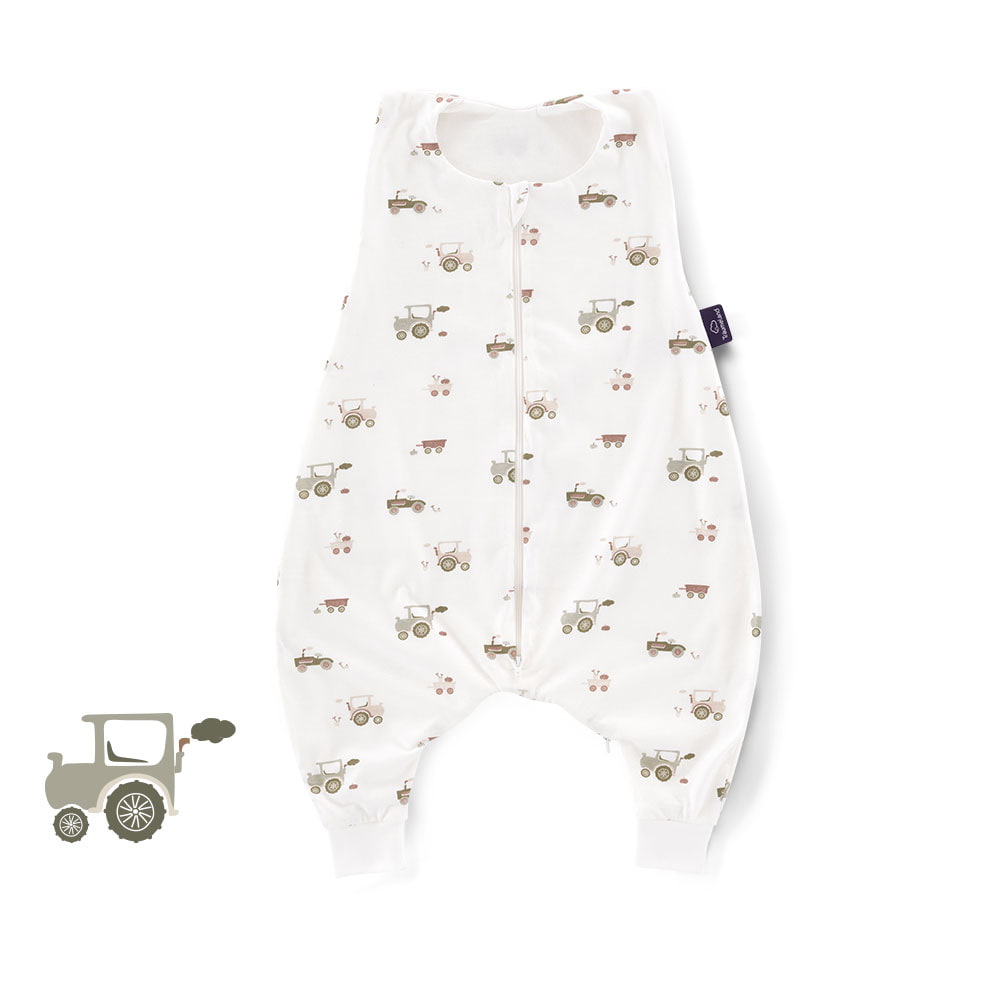
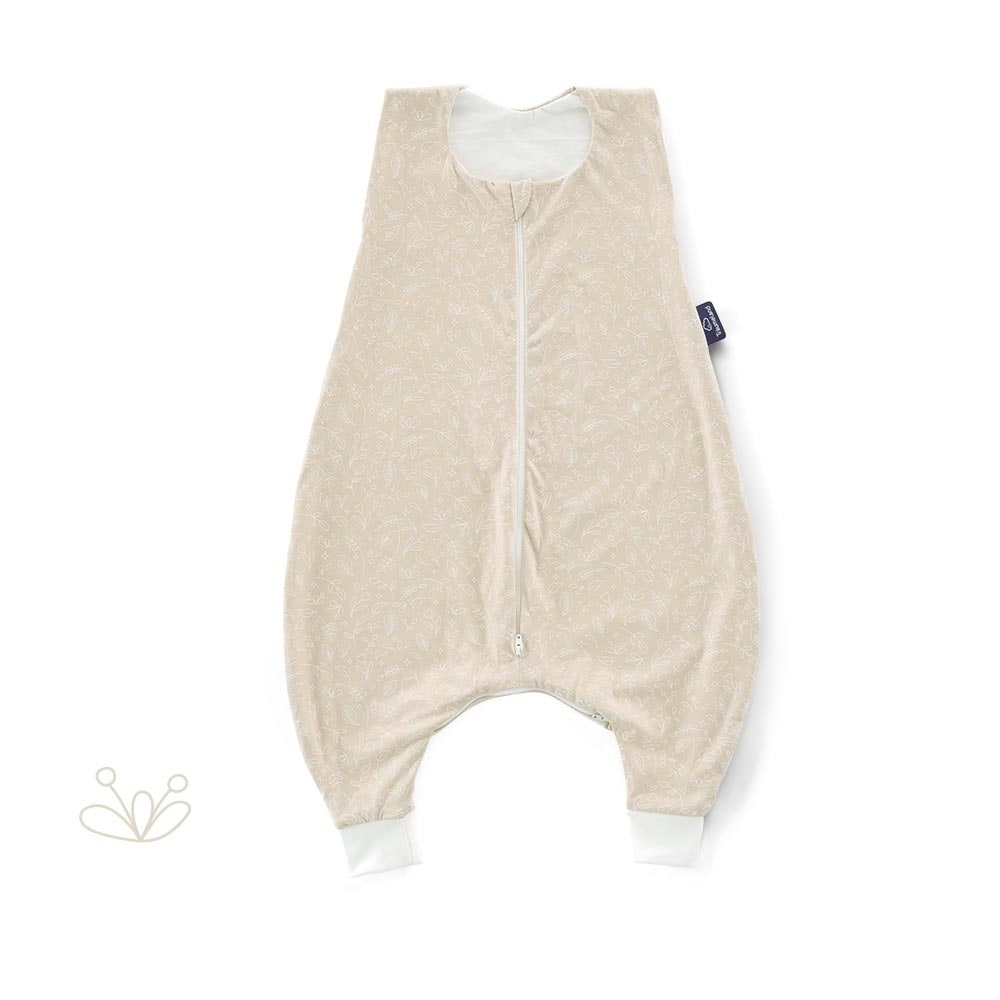
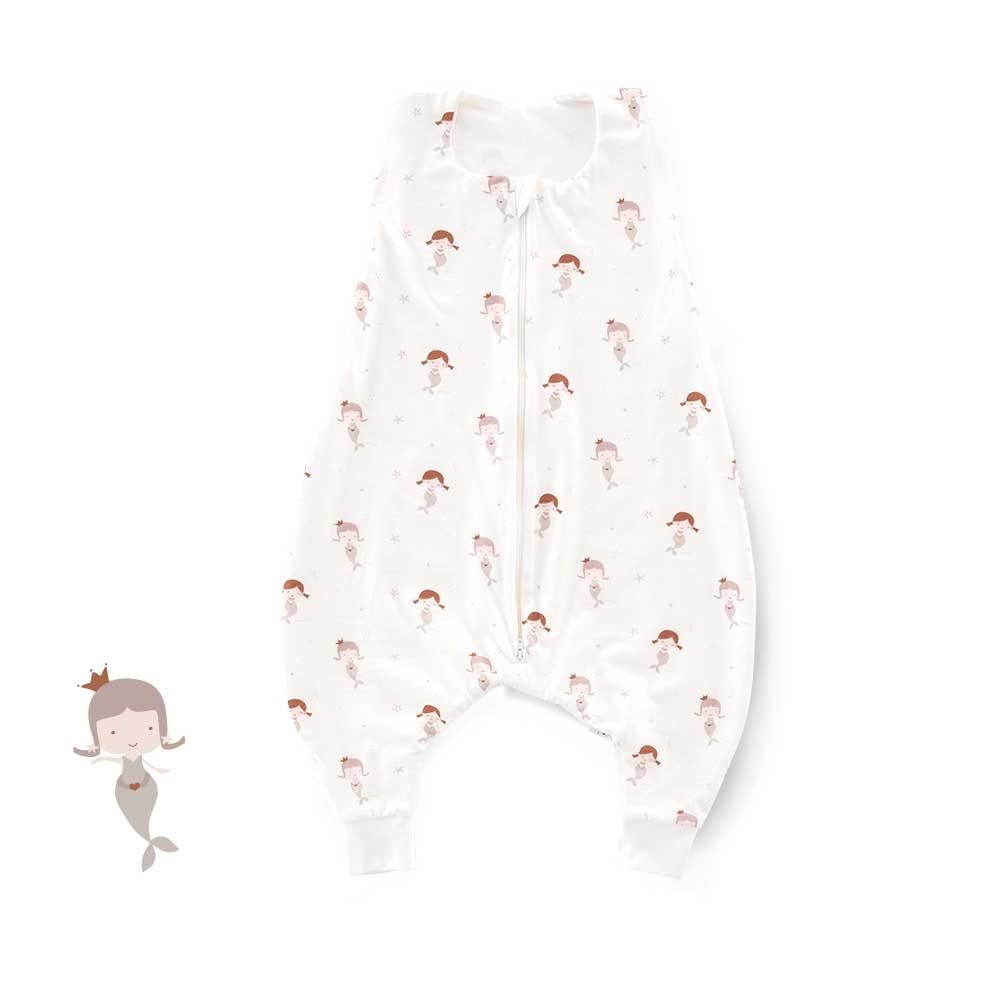
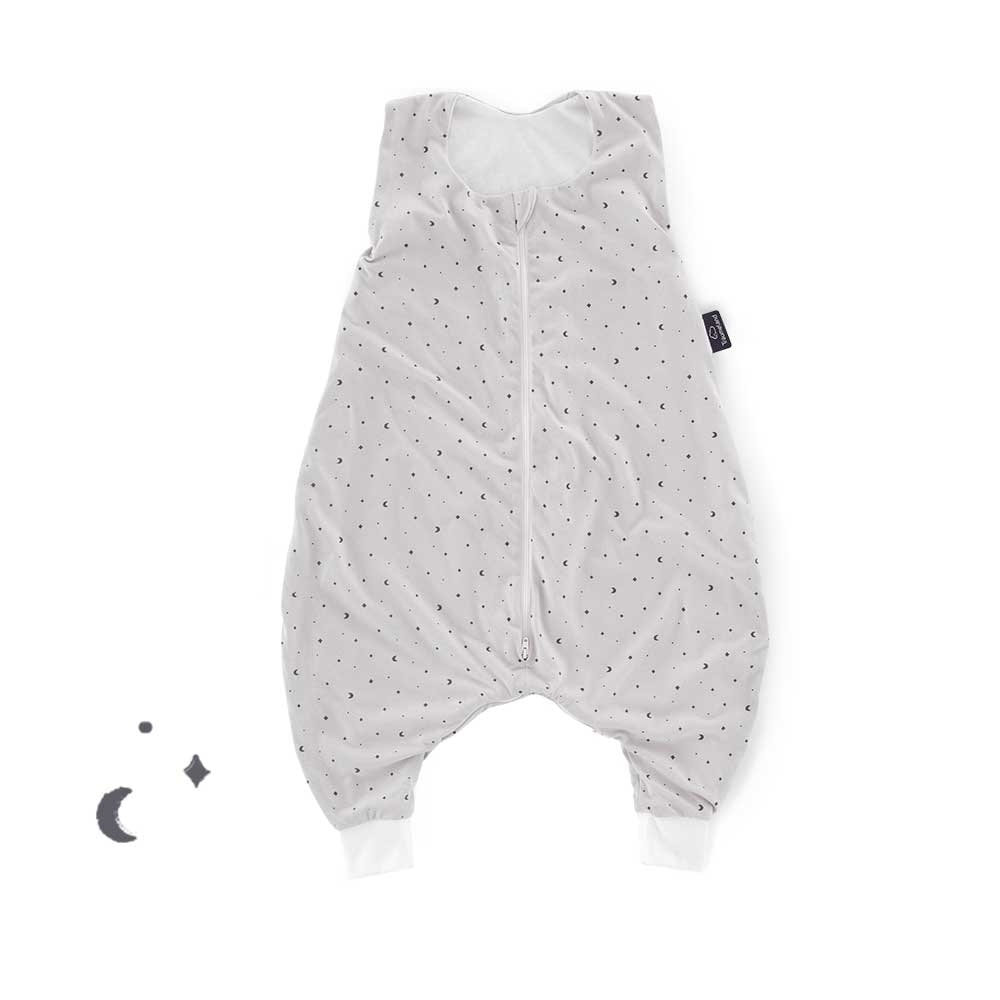
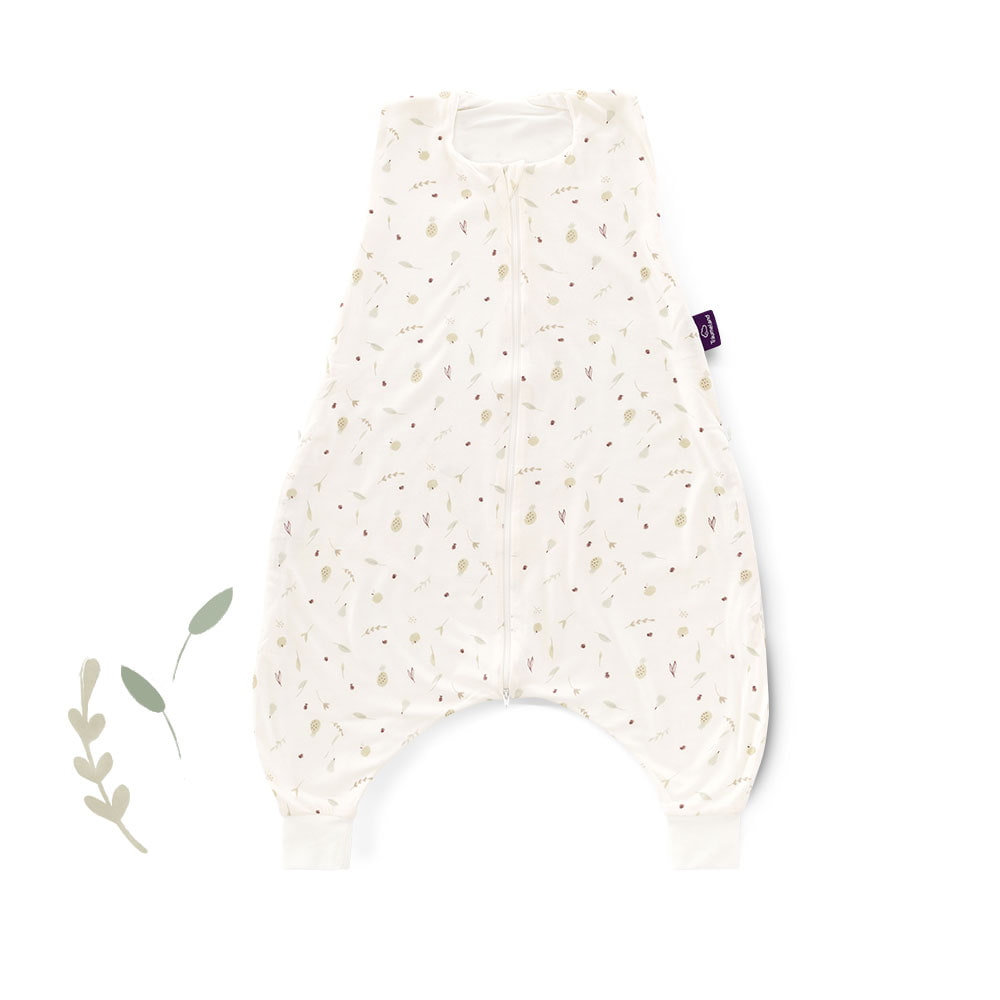
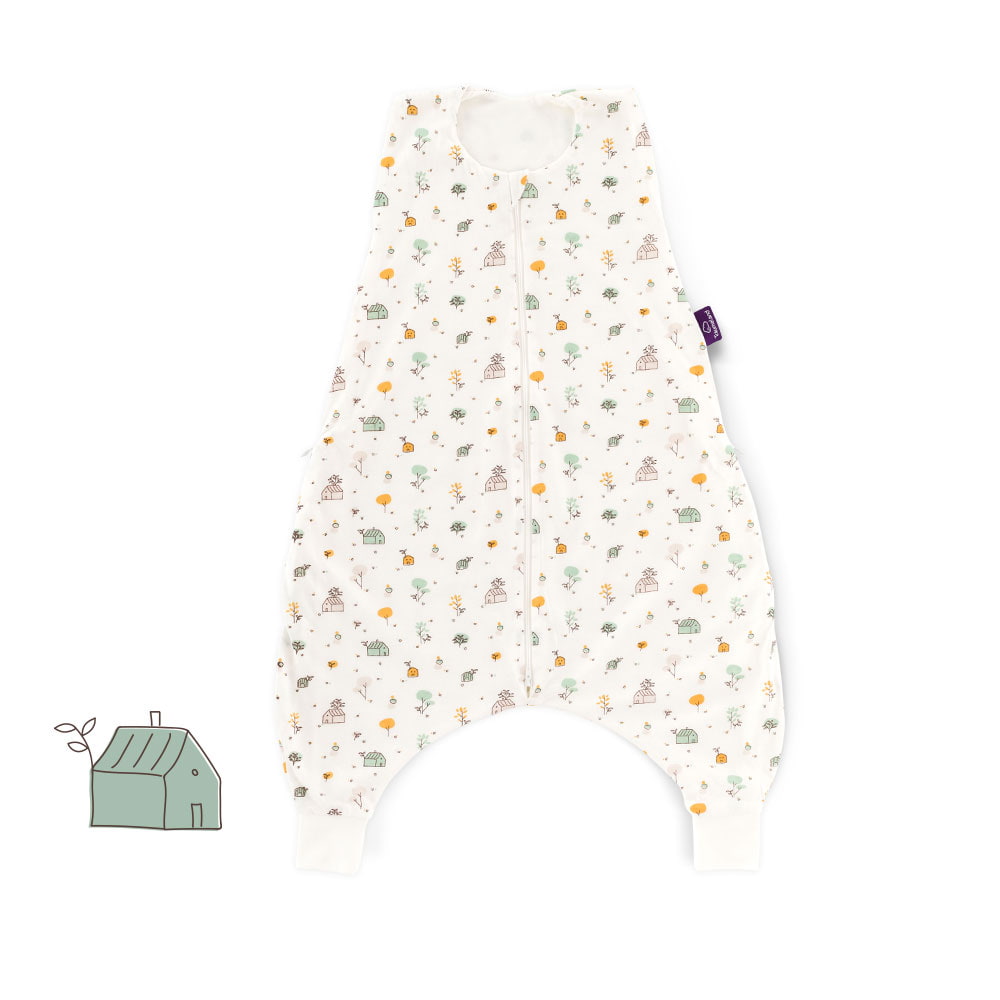
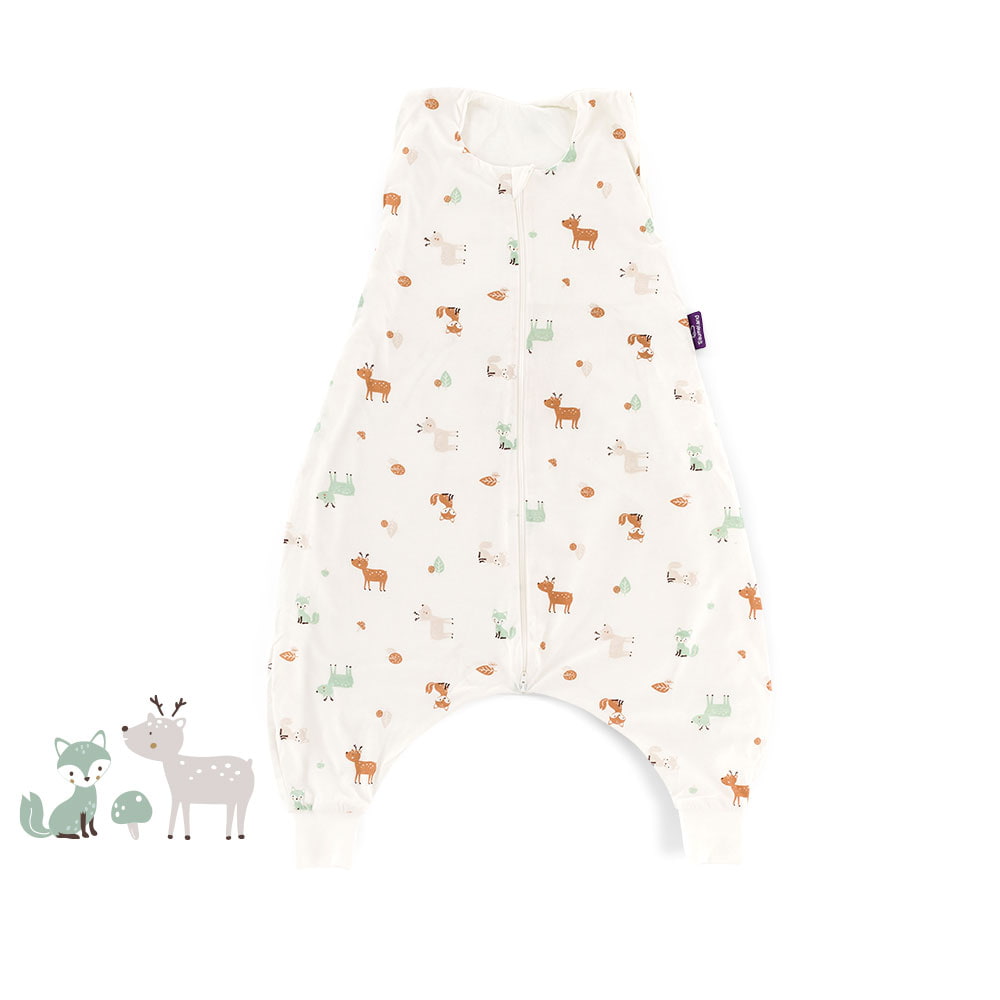

Maximum freedom of movement
Combines the safety of a traditional sleeping-bag with the freedom of a duvet—without slipping. Ideal for active babies.

For Every Season
The appropriate TOG rating and integrated ventilation slits ensure optimal air circulation without heat buildup.

Practical for Everyday Use
Machine washable at 60°C with a convenient safety zipper for stress-free diaper changes.


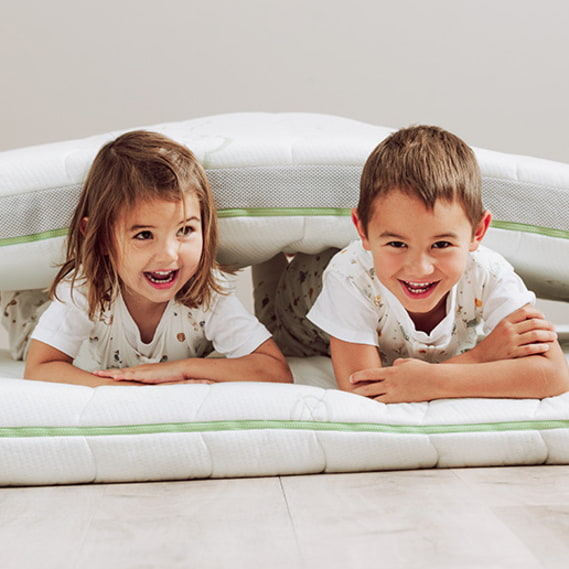
Träumeland Baby Sleeping Bags with Feet — For Active Children
A safe and restful night’s sleep is important for babies, and that starts with the right sleeping-bag. Träumeland sleeping-bags with feet offer a well-thought-out combination of safety, freedom of movement, and comfort. These sleeping-bags are available in sizes 74 to 110 (for children up to about 5 years old) and are perfect for babies or children who already get up, crawl, or move around a lot at night.
Why choose a sleeping-bag with feet?
A classic baby sleeping-bag keeps your baby warm and provides Security, but as soon as children become more mobile, they want more freedom. Our sleeping-bags with feet offer exactly that: they allow for natural movement while sleeping and when getting up—no duvets, no slipping, and no getting cold.
The Träumeland baby sleeping bag with legs grows with your child. The soft cuffs and stretchy leg openings combine freedom of movement with Security.
At what age do sleeping-bags with feet make sense?
A footed sleeping-bag is ideal when your child starts standing or walking, or moves around a lot while sleeping. This is often the case starting at 6 months. As soon as your child is walking safely or feels restricted in a regular sleeping-bag, it’s time to make the switch. The foot openings offer more freedom of movement while crawling and standing, while still keeping the body warm and protected.
Sleeping bag with feet or traditional sleeping-bag—which is better?
A traditional sleeping-bag without feet keeps your baby warm, provides Security, and is ideal when your baby isn’t yet mobile. A sleeping-bag with feet offers children maximum freedom of movement, combined with the safety of a classic sleeping-bag. Small explorers who move around a lot at night especially benefit from having their feet unrestricted while still staying warm. So it all comes down to what your baby needs at the moment: Security or freedom.
For babies who sleep peacefully, a classic baby sleeping-bag is often sufficient, but as soon as movement comes into play, the sleeping-bag with legs clearly wins out in terms of comfort and flexibility.
What’s the optimal TOG rating?
We’ve got the perfect cotton baby sleep sack with feet for you in various warmth levels, also known as TOG ratings. This way, you can choose the right model for every season. Whether it’s summer or winter, we have the perfect sleep-overall to offer your small child optimal comfort and warmth.
0.5 TOG: completely unlined. Ideal for summer and room temperatures of 20°C or higher
1.5 TOG: Lined, ideal for transitional seasons like fall and spring. For room temperatures between 20–24°C.
2.5 TOG: Extra warm padding, ideal for fall and winter (all-season sleep sack). For room temperatures between 16–22°C.
The Right Footed sleeping-bag for Every Season
Buy a winter footed sleep sack: For fall and winter, lined models with a 2.5 TOG rating are ideal. This will keep your baby warm at night, even without an extra blanket.
Buy a summer-sleeping-bag with feet: Lightweight summer-sleeping-bags with a 0.5 TOG rating are ideal for summer. They’re highly breathable and prevent overheating. A short-sleeved onesie or a short sleep-overall are usually sufficient underneath.
Transitional Season & Spring: Our 1.5 TOG sleeping-bags are ideal for spring and fall.
Caring for & Washing Sleeping Bags with Feet
Here are a few tips to help your footed sleeping-bag last a long time: Wash it at a maximum of 60°C and use a mild detergent. It’s best to avoid fabric softener, as it makes the fabric less breathable. To dry it, lay it flat to air dry so it retains its shape. If you must use the dryer, please set it to a low temperature. Check the seams and zippers every now and then to make sure everything is in good condition. This will keep your child’s footed sleeping bag ready for many cozy nights and adventures!

Recommended by midwives

OEKO-TEX®-certified materials
Frequently asked questions
Many parents are a bit confused when it comes to sleepwear. Is the baby too warm or is it freezing? Just as there are hot summer nights and cool winter months outside, there are also temperature differences at night in the nursery. In order to ensure a restful sleep for the offspring, it is important to adjust the sleepwear optimally. We do not want to make any general statements here. However, one thing is essential: you should not be deceived by the thickness of the sleeping bag material, because materials have different thermal values.
The unit of measurement "TOG" can be used as a guide. "TOG" shows the thermal resistance of textiles and informs how warm your baby is in a sleeping bag at a certain room temperature. The higher the "TOG" value, the warmer the baby is. Sleeping bags have different "TOG values". According to the indicated "TOG value" the sleeping clothes should be adjusted. Here you will find a corresponding recommendation for orientation:

Choosing the right size for sleep overall is crucial for safety and comfort. Our footed sleeping bags are available in sizes from 74 cm (for babies from 6 months) to 110 cm (for children up to about 5 years). This ensures that your child can sleep comfortably and move freely. We recommend always choosing a size smaller for sleeping bags with feet, as these tend to be cut larger. However, the following formula can be used as a guide: Your baby's body length - head length + 10 cm = sleeping bag size

- calculate the right size (enough freedom of movement for the legs as well as fit for the head and arm hole)
- select the right material: TENCEL™ natural fibres ensure significantly more moisture absorption
- sufficient ventilation to avoid heat accumulation
- press studs preferred due to the choking hazard of buttons
- no ribbons and laces
- a sleeping bag that grows with your child is practical and also saves money
- all-round zip for easy changing as well as putting your child in the sleeping bag and taking them out
- low-risk materials to ensure your baby sleeps safe and sound
- zip with locking mechanism so your baby cannot get trapped and the zip cannot open by itself